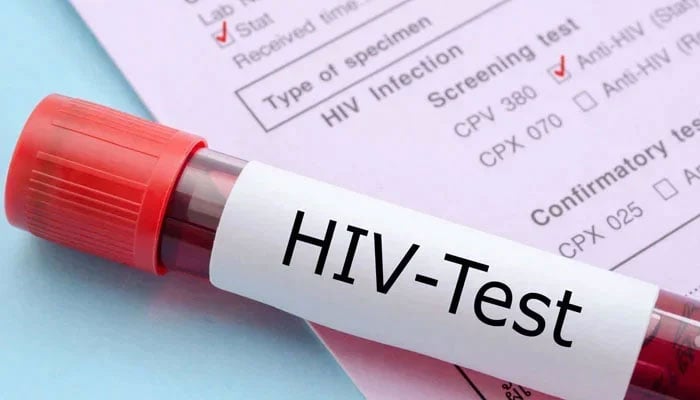
LAHORE: Taking the lead in strengthening infection prevention and control measures amid rising concerns over HIV and viral hepatitis infections, the Punjab Specialized Healthcare and Medical Education Department has directed all public sector medical universities, teaching hospitals, medical colleges and specialised healthcare institutions across the province to ensure mandatory screening of patients for HIV, Hepatitis B and Hepatitis C before surgeries and invasive medical procedures.
The directives were issued through an official notification by the Specialized Healthcare and Medical Education Department’s Technical Wing, asking healthcare institutions to immediately implement a comprehensive set of Standard Operating Procedures (SOPs) for infectious disease screening, infection prevention and control.
Under the new instructions, all public sector hospitals and medical institutions in Punjab have been ordered to screen every patient for Hepatitis C Virus (HCV), Hepatitis B Virus (HBV) and Human Immunodeficiency Virus (HIV) prior to performing surgeries and invasive procedures using a standardised proforma. Hospitals have also been directed to isolate patients wherever clinically indicated and ensure the availability of dedicated isolation facilities in emergency departments to manage suspected infectious disease cases.
The move follows recent directives issued by the Ministry of National Health Services, Regulations and Coordination, which asked all provinces, Azad Jammu and Kashmir, Gilgit-Baltistan, federal hospitals and healthcare regulatory authorities to make HIV and viral hepatitis screening mandatory before surgeries and invasive procedures in order to curb the spread of blood-borne infections. Federal health authorities had expressed concern over the continued rise in HIV and hepatitis infections in the country, where more than 14,000 new HIV cases were reported during 2025, while thousands of additional cases have already been detected during the first few months of 2026.
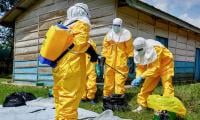
According to the Punjab government’s latest notification, all suspected and confirmed infectious disease cases must now be reported on the District Health Information System (DHIS-2) portal within 24 hours. The provincial health authorities have further instructed all clinical and non-clinical staff to strictly comply with standard infection prevention protocols, including hand hygiene, safe injection practices, the appropriate use of personal protective equipment (PPE) and regular surface disinfection at healthcare facilities.
Hospitals have also been directed to ensure documented vaccination of all clinical staff against Hepatitis B, Covid-19 and influenza, while post-exposure prophylaxis (PEP) must be initiated within two hours in the event of any exposure incident involving infectious material. The notification also makes it mandatory for hospitals to ensure the proper segregation and disposal of infectious waste in accordance with applicable regulations.
In another important measure, all institutions have been ordered to appoint a dedicated Infection Prevention and Control (IPC) focal person responsible for day-to-day surveillance, implementation and compliance monitoring. The department has further directed hospitals to conduct mandatory IPC training sessions regularly for both new and existing healthcare workers, and to maintain proper documentation of such training sessions. Under the SOPs, all hospitals will also be required to hold monthly IPC committee meetings and submit compliance reports to the department regularly.
The Punjab government has warned that, in the event of any infectious disease outbreak within a healthcare facility, the department must be informed within 24 hours, followed by a root cause analysis report within 72 hours.