ISLAMABAD: Pakistan’s external financing gap is expected to widen following the government’s decision to repay $2 billion in deposits to the United Arab Emirates (UAE), along with an interest payment of six percent, during the current month.
Now, Islamabad will have to either manage this widened external financing gap or convince the International Monetary Fund (IMF) to make adjustments to the foreign exchange reserves position held by the State Bank of Pakistan (SBP) as of the end of June 2026.
On the eve of striking a staff-level agreement with the IMF under a $7 billion Extended Fund Facility programme, the foreign exchange reserves target for June 2026 was revised downward from $17.8 billion to $17.5 billion held by the SBP. “The external financing gap was then estimated at around $460 million, based on overall dollar inflows and outflows in FY26,” top official sources confirmed to The News here on Saturday.
It was assessed that deposits of $3.7 billion from the UAE and Kuwait would be rolled over in the ongoing fiscal year, but the latest development shows that Pakistan is all set to repay $2 billion in deposits to the UAE around mid-April 2026. It is assumed that the remaining $1 billion might be paid in June or July 2026 on its maturity date.
Given the broader agreement with the IMF, the external financing gap would widen further, so the overall gap could reach $2.46 billion plus a six percent interest payment. When contacted, one senior official told The News that Pakistan is engaged at the highest diplomatic level to mediate in the geopolitical tensions. Regarding the maturity of deposits, he said it is a matter of dignity to return the due amount to the lender with a bundle of thanks. He added that options are available and will be explored, but these cannot be disclosed without confirmation.
The official further stated that Pakistan is in a comfortable position to pay back its external obligations. While this may result in some temporary reduction in foreign exchange reserves, it would not pose a challenge like the country experienced in the past on multiple occasions — such as after the nuclear detonation in 1998 and many other occasions.
The official said the IMF would be convinced that the eruption of war has put pressure on the external front, and they are hopeful the Washington-based global lender would understand the situation and show a lenient attitude toward Pakistan.
When contacted, the IMF Resident Chief in Pakistan Mahir Binci said in a brief reply that they will follow up on this issue.
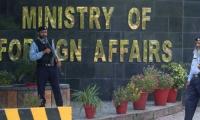
Meanwhile, in an official statement on Saturday, the Ministry of Foreign Affairs categorically rejected recent misleading and unfounded commentary regarding financial deposits from the UAE held with the SBP.
The deposits were placed under bilateral commercial agreements, demonstrating the UAE’s strong support for Pakistan’s economic stability and prosperity. Accordingly, pursuant to mutually agreed terms, the Government of Pakistan, through the SBP, is now returning the matured deposits to the UAE. This is a routine financial transaction, and any attempt to portray it otherwise is erroneous and misleading, the statement read.
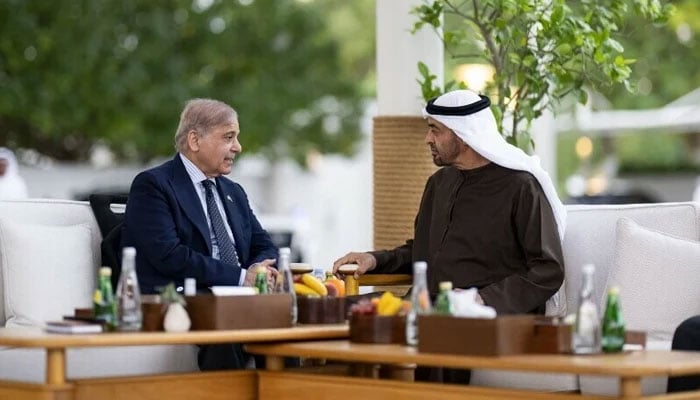
Pakistan and the UAE share a longstanding, fraternal partnership built on trust and strategic cooperation across trade, investment, defence and people-to-people ties. This relationship has stood the test of time and has grown stronger with each passing year. The people of Pakistan warmly cherish the pivotal role played by late Sheikh Zayed bin Sultan Al Nahyan in forging this enduring friendship, as well as his special affection for Pakistan. Pakistan remains fully committed to further strengthening this enduring relationship for a shared, prosperous future, concluded the statement.