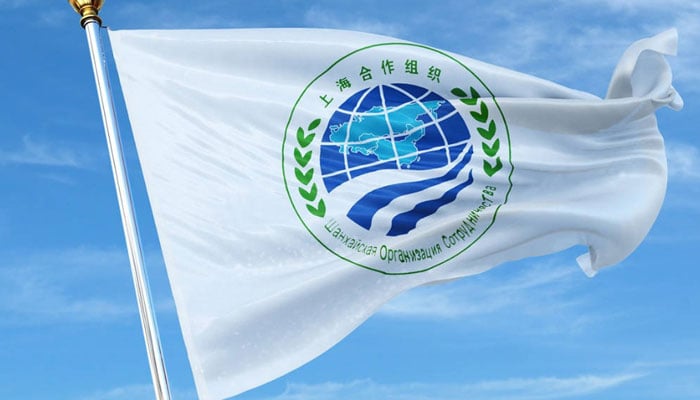
ISLAMABAD: The 45th Council Meeting of the Regional Anti-Terrorist Structure of the Shanghai Cooperation Organisation (SCO-RATS) noted, with concern, the threat posed by terrorist groups in Afghanistan, and underscored the importance of enhancing cooperation and undertaking joint efforts to counter this threat.
RATS is permanent body based in Tashkent, Uzbekistan, designed to coordinate efforts against terrorism, separatism and extremism among member states. Pakistan assumed the Chair for 2025-26, focusing on cyber security, border control and intelligence sharing to strengthen regional security.
The Foreign Office giving further details of the 45th Council detailed meeting also expressed concern over developments in the Middle East and stressed the need to resolve the conflict through dialogue and mutual respect, in accordance with international law.
Besides Pakistan, the (SCO-RATS) 10-member Council comprises of Belarus, China, India, Iran, Kazakhstan, Kyrgyzstan, Russia, Tajikistan and Uzbekistan.
The Council held detailed deliberations on matters of mutual interest. During the meeting, issues related to regional security were discussed, and a number of reporting documents on the activities of the RATS were agreed upon for submission to the Council of Heads of Member States of the SCO.
“It was agreed that the next meeting of the SCO-RATS Council will be held in September 2026 in Pakistan. Since assuming the Chair in September 2025, Pakistan has steered SCO-RATS in a professional manner, prioritising shared objectives and guided by the Shanghai Spirit of mutual trust, equality and shared responsibility to foster regional cooperation against terrorism and extremism,” added the statement.
Pakistan since it took over the chairmanship has hosted multiple events and activities across key domains, including joint information operations, border security and cyberspace.
“As a frontline state in combating terrorism, Pakistan continues to make unparalleled sacrifices to ensure the safety and security not only of its own people but also of the region and beyond. Pakistan will continue to work with international and regional partners to advance collective efforts against terrorism, in line with the principles of the SCO, international law and the United Nations Charter,” said the FO.
Meanwhile, the ongoing Middle East Conflict saw Pakistan condemning all attacks on civilians and civilian infrastructure.
Ambassador Asim Iftikhar, Permanent Representative of Pakistan to the UN, spoke at two different sessions stressing the fact that Pakistan attaches great importance to its fraternal relations with all GCC countries, rooted in shared religious and cultural values, mutual respect and deep people-to-people ties. These bonds are reinforced by robust political, security, economic and trade partnership, energy and development cooperation.
“Pakistan’ vibrant diaspora across the GCC serves as a vital bridge, contributing to the prosperity of the host countries, and further strengthening bilateral ties. Pakistan will always stand firmly alongside brotherly nations of Bahrain, Kuwait, Oman, Qatar, Saudi Arabia and the United Arab Emirates,” said the ambassador.
He strongly condemned the ongoing attacks on Gulf countries targeting civilians and civilian infrastructure which are totally unacceptable while appreciating the strategic restraint by the GCC countries in the face of such provocation and aggression.
“Pakistan reaffirms its full support for the sovereignty, territorial integrity and political independence of all GCC states. As demanded by Security Council resolution 2817, the attacks on their territory must cease immediately and the navigational rights and freedoms in the Strait of Hormuz must not be undermined,” he added. The ambassador said it was also important to acknowledge the broader context which saw the deeply troubling events in the region, including the initiation of attacks against Iran on 28 February which have led to dangerous escalation and rising tensions.
“These developments have undermined regional stability and carry serious implications for international peace and security as well as global economy and prosperity. We categorically condemn all attacks on civilians and civilian infrastructure. The targeting of power plants, energy facilities, educational institutions, hospitals and other essential civilian sites is unacceptable and must cease immediately. De-escalation and complete cessation of hostilities must be our top priority,” he added.
Pakistan is of the view that Gulf members of the Arab League are facing direct attacks on their soil, totally unacceptable, while grappling with challenges posed by restricted navigation in the Strait of Hormuz.
“With these tensions comes the growing risk of a wider escalation, with potentially far-reaching consequences. Against this already dire backdrop, further escalation must be avoided at all cost. The immediate priority must be complete cessation of all hostilities and return to dialogue for peaceful resolution of all issues. Together with other partners, Pakistan is actively engaged in promoting this objective,” said the ambassador.
Earlier, Foreign Minister Ishaq Dar spoke to his Saudi counterpart Prince Faisal bin Farhan where the Pak-China Five -Point Initiative for peace in the Gulf and Middle East was also discussed.
“The two leaders exchanged views on the latest developments in the regional situation, emphasising the urgent need for de-escalation and dialogue. Both leaders reaffirmed the strong, fraternal Pakistan-Saudi Arabia relationship and agreed to remain in close contact,” said the Foreign Office.