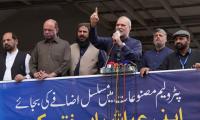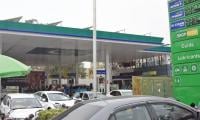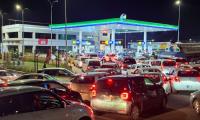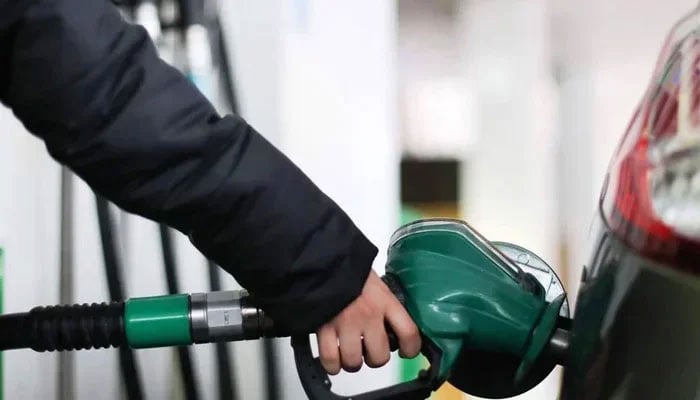
NANKANA SAHIB: The recent steep increase in petroleum prices has left citizens in Nankana Sahib deeply concerned and outraged. Petrol is now priced at Rs. 458 per liter and diesel at Rs. 520 per liter, prompting widespread demands for an immediate reversal of the decision.
Members of the public said that for people already struggling under the weight of inflation, this hike is a severe blow. Many questioned why the government is spending millions on projects such as beautification and tree plantations while ordinary citizens struggle to afford basic necessities. Residents also criticised the use of expensive official vehicles by the district administration. They argued that large vehicles not only burden the national exchequer but also consume excessive fuel. The public demanded that these vehicles be replaced with smaller, fuel-efficient alternatives to reduce expenses. Citizens noted that an increase of nearly Rs. 200 in petroleum prices within a short period is simply unbearable. They highlighted that inflation has already made life extremely difficult for low- and middle-income groups, and the latest surge in fuel costs is worsening the situation. Some even claimed that extreme financial pressures from inflation, unemployment, and poverty have forced some to consider desperate measures. The public urged the government to take immediate action to reduce petroleum prices, ease hardships, and reconsider decisions that place a heavy burden on ordinary citizens.
JARANWALA: Citizens have termed the sharp increase in petroleum prices as unjustified and oppressive, expressing strong anger and concern over the decision. Many residents described the hike as an act of injustice against the public.
Prominent farmers’ leaders Malik Zafar Iqbal Khokhar and Malik Khalid Pervez Khokhar advocate said the steep rise in fuel prices would prove disastrous for the agricultural sector. They warned that the decision would particularly devastate small farmers, who are already grappling with rising production costs. Member of the Peace Committee, Mian Waqas Khalid, said the sudden and significant increase in fuel prices reflects anti-people policies. He added that placing additional financial burden on citizens, already affected by soaring inflation, is deeply unfair. He criticized the ruling elite for maintaining lavish lifestyles and protocol while shifting the burden onto the common man.
He suggested that instead of increasing fuel prices, the government should reduce the privileges and perks of ministers, advisers, and the elite to provide relief to the public. Meanwhile, religious scholars also strongly reacted to the increase in petroleum prices during Friday sermons, terming the decision unjustified and oppressive, and demanding its immediate withdrawal.