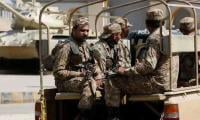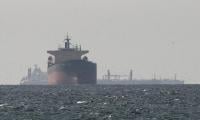
The ongoing conflict in Iran, involving regional powers and external actors, has quickly evolved into a geopolitical crisis. Missile strikes, drone attacks and military posturing have disrupted stability in the Gulf, affecting global energy routes and prompting international concern. The escalation highlights the fragile balance in the Middle East. For Pakistan, the repercussions are immediate and multifaceted. Rising oil prices due to threats to the Strait of Hormuz are straining the national economy, increasing inflation and widening the trade deficit. Politically, Islamabad faces pressures to maintain neutrality while addressing domestic concerns, including sectarian sensitivities and public protests related to regional dynamics.
Security challenges along Pakistan’s western border and in Afghanistan are also magnified. Beyond Pakistan, the conflict’s impact on the region is profound. Energy supply disruptions affect South and Central Asia, while regional alliances are tested as countries navigate pressures from both Iran and Western powers. The crisis underscores the importance of diplomatic engagement, conflict de-escalation and economic diversification. For Pakistan and its neighbours, strategic prudence, strengthened regional cooperation and resilience in foreign and economic policy are essential to mitigate the far-reaching effects of this conflict.
Sadam Hussain Korai
Larkana