PESHAWAR: A noted agricultural expert has stated that Pakistan is on the frontline of the climate crisis and faces major challenges, including water security issues, catastrophic floods, water scarcity, air pollution, urban smog, ecosystem degradation, deforestation, and a serious threat to the Indus Delta.
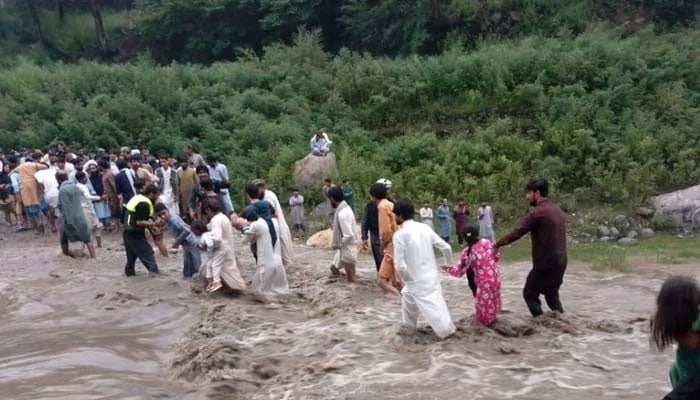
“Pakistan ranks among the top 10 most climate-vulnerable nations in the world. It has already experienced devastating impacts of climate change, particularly in the northern areas, which were badly hit by floods that washed away many regions,” said Khan Faraz while talking to The News.
He said climate change has become a major global issue and urged policymakers to address it seriously by making long-term plans to reduce its negative impact on the country. Khan Faraz said that a national consultative workshop on the National Drought Action Plan was recently held in Islamabad. He said speakers at the event noted that drought is not a distant or occasional risk but an increasingly persistent threat driven by rising temperatures, water stress, and climate variability.
“Pakistan is already among the countries facing high water risk, and drought directly affects agriculture, water resources, food security, ecosystems, and livelihoods. There is a need for a coordinated institutional and policy framework to translate data into action. Data alone is not enough; we need systems that ensure timely, data-informed, evidence-based decisions and on-ground implementation,” the agricultural expert said.
The expert said that, keeping in view these challenges, there is a need for effective drought management, which requires strong coordination among federal and provincial governments, technical agencies, and development partners.
“Since drought is a cross-sectoral challenge, it requires a whole-of-government and whole-of-society approach. There is also a need to facilitate coordination with key stakeholders, including the National Disaster Management Authority, the PDMA, and provincial departments, to contribute technical inputs for finalising a practical and nationally owned action plan,” the expert opined.