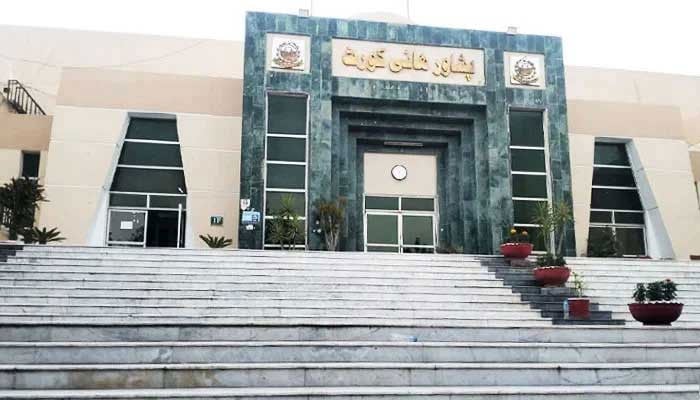
PESHAWAR: The Peshawar High Court (PHC) during the hearing of a petition filed against the non-payment of pensions to retired employees of the University of Peshawar (UOP) on Thursday expressed serious concern over the severe financial crisis faced by universities in Khyber Pakhtunkhwa, the decline in academic standards, and administrative issues.
The court directed the relevant authorities to devise a comprehensive strategy and summoned the chairman of the Higher Education Commission (HEC) for the next hearing and also ordered for the preparation of a detailed report on the financial issues and challenges faced by universities.
The petition was heard by a division bench comprising Justice Syed Arshad Ali and Justice Farah Jamshed.The additional secretary of Higher Education, a representative of the secretary Finance, UoP Vice Chancellor Dr Johar Ali, Deputy Registrar Riaz Ali, lawyer Wasimuddin Khattak, and counsel for the petitioners Prof Nazir Ahmad along with other relevant officials, appeared before the court.
During the proceedings, the court directed all relevant authorities to prepare a comprehensive report through mutual consultation, including practical proposals to address financial deficits, resource shortages, and other challenges faced by universities.
Justice Arshad Ali remarked that the standard of the UoP was declining and questioned the underlying reasons. In response, the VC said that the university ranked among the top eight institutions in the country; however, the court inquired about its global ranking. The VC maintained that the issues stem from environmental factors, lack of funding and resource constraints.
The court was told that the university currently had 25,000 students enrolled, while the financial crisis has intensified. Justice Arshad Ali expressed concern over rising fees, stating that higher fees were beyond the reach of ordinary students, and suggested that fees be charged from those who can afford them, while the government should allocate a budget and provide scholarships for students.
The court also raised questions about academic discipline, stating that reports indicated a lack of effective monitoring of student attendance and class participation, which was causing students to turn to other institutions.
The VC pleaded that there were insufficient resources to pay salaries and pensions, and there was constant uncertainty regarding the availability of funds on a daily basis. He argued that the university was facing a deficit of approximately Rs2.07 billion this year and required additional funding from the federal government.
Higher Education additional secretary informed the court that funds were being released to universities under a specific formula and that meetings were being held in this regard. However, the court remarked that if measures were being taken, their practical results should also be visible.
Counsel for the petitioners, Prof Nazir Ahmad, argued that universities were currently facing a severe financial crisis and lacked resources even for basic needs.The court directed that the concerned secretaries, think tanks, and other stakeholders should sit together and prepare a report with practical recommendations, taking into account the court’s observations. Subsequently, the hearing was adjourned until May 5 with instructions to present a complete report at the next hearing.