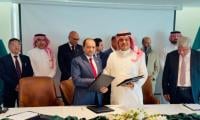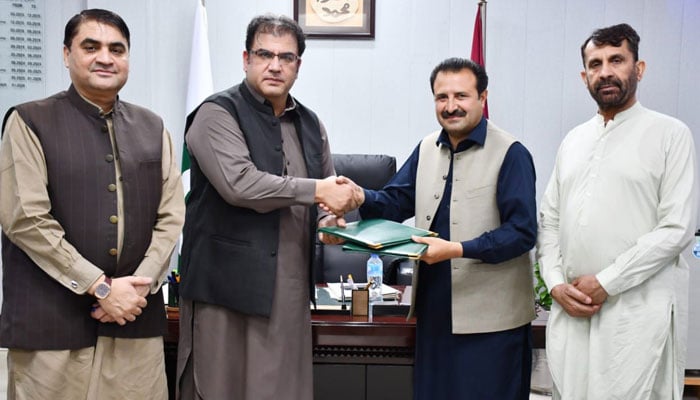
PESHAWAR: Pakistan Bait-ul-Mal (PBM) and MTI-Hayatabad Medical Complex (HMC) on Thursday signed a memorandum of understanding to provide free cochlear implant surgeries and comprehensive medical care to deserving hearing-impaired children.
The MoU was formally signed by PBM Director Lal Badshah and Hospital Director HMC Col (Retd) Dr Gulzar Ahmad Khan, representing their respective organisations. Associate Professor Dr Saeed Khan, Chairman of the ENT Department at HMC, was also present on the occasion.
Under the agreement, Pakistan Bait-ul-Mal will extend financial assistance to underprivileged and deserving children suffering from hearing impairment, including those born with congenital disabilities, covering the cost of cochlear implant procedures as well as post-operative care and rehabilitation.
MTI-Hayatabad Medical Complex, will provide end-to-end clinical services, including diagnostic assessment, surgical intervention, post-surgical rehabilitation, and follow-up care. The hospital will also ensure the availability of allied medical facilities and technical support necessary for successful outcomes.
Officials said the partnership reflects the government’s continued commitment to supporting vulnerable segments of society through accessible and quality healthcare services, particularly in specialised fields requiring high-cost interventions.
Both sides reaffirmed their resolve to implement the agreement in line with its terms and conditions to improve healthcare delivery for hearing-impaired patients and enhance access to modern treatment options. The initiative is expected to significantly improve access to hearing restoration services for financially disadvantaged individuals and contribute to reducing the long-term impact of hearing disabilities, particularly among children.