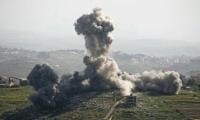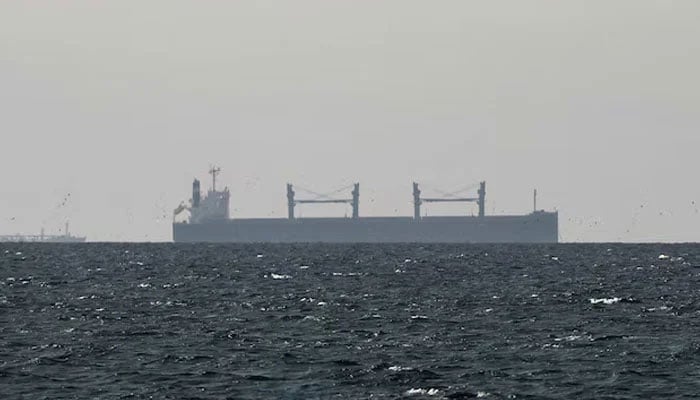
The Strait of Hormuz is not just a temporary disruption but a systemic shock to global energy flows. Energy analysts now warn that the scale of supply loss is approaching that of the twin oil crises of the 1970s combined. Oil prices have surged, while natural gas markets face even deeper structural strain. Damage to liquefied natural gas infrastructure alone could take years to repair. The effects are already cascading. Reports indicate that at least 40 major energy facilities across the Middle East have sustained significant damage. Industry leaders caution that if disruptions persist beyond a few months, the crisis could evolve into a broader systemic risk to the global economy.
In an interconnected global economy, disruptions to energy supply quickly transmit through trade, finance and production systems. For many developing economies, this transmission is both immediate and severe.
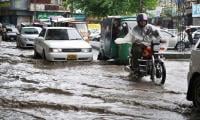
As a net energy importer with limited fiscal space, Pakistan is highly exposed to external price volatility. Rising fuel costs translate directly into inflation. In a matter of weeks, a distant conflict begins to reshape domestic realities.
Yet the most consequential impact may be less visible: the erosion of climate progress. In recent years, countries such as Pakistan have begun to articulate more ambitious climate pathways, encompassing adaptation planning, renewable expansion and energy transition strategies. These efforts, however, rest on a basic assumption: a degree of global stability. War, however, has a way of dismantling these conditions. As energy security becomes paramount, governments fall back on what is available rather than sustainable. Cleaner but infrastructure-dependent fuels lose ground, long-term transition plans are deferred and climate finance, already insufficient, risks being diverted towards defence and crisis management.
Such shifts are rarely explicit. They emerge through postponed investments, revised budgets and altered priorities. The Russia-Ukraine War offered an early warning: despite strong climate commitments, European states expanded coal use and sought alternative fossil fuel supplies when gas flows were disrupted. The current crisis threatens to replicate and deepen this pattern. At the same time, modern conflicts increasingly intersect with the infrastructure that sustains civilian life – energy, transport and water systems, amplifying their impact far beyond national borders. For the Global South, this creates layered vulnerability. Countries least responsible for geopolitical tensions bear disproportionate economic costs while already facing heightened climate risks.
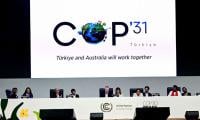
This raises a broader question: can climate policy remain insulated from geopolitics? Climate action depends not only on targets and technology, but on stability, reliable supply chains, sustained financing and international cooperation. In a world shaped by conflict, these conditions cannot be assumed. For Pakistan, the implications are clear. Climate resilience must be pursued alongside energy and economic security. Reducing dependence on imported fuels, accelerating domestic renewable capacity and diversifying energy sources are now strategic necessities.
Globally, the outlook is sobering. As geopolitical tensions intensify, coordinated climate action will become harder to sustain. Targets may endure on paper, but their realisation will grow increasingly uncertain. Wars end. Their consequences do not. The present conflict is a reminder that the greatest threat to climate progress may not be inaction alone, but the instability of the world in which that progress must unfold.
The writer is a doctoral student in Land Resources and serves as a research associate at the Sustainable Development Policy Institute (SDPI). He can be reached at: [email protected]