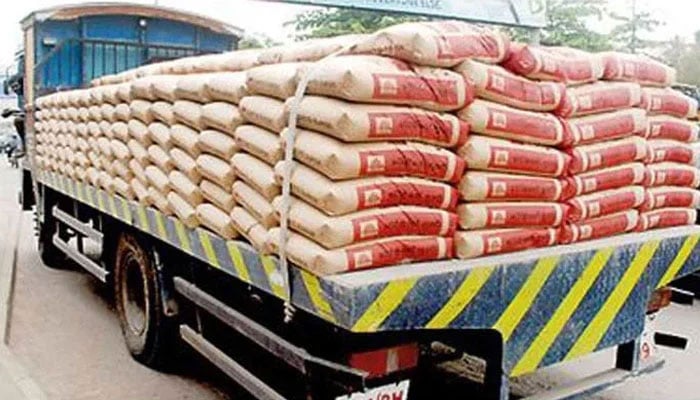
LAHORE: The cement sector recorded a slight increase in dispatches in March 2026, with export growth partly offsetting weak domestic demand, data from the All Pakistan Cement Manufacturers Association (APCMA) showed.
Total dispatches rose 0.91 per cent to 3.745 million tonnes in March, compared with 3.712 million tonnes a year earlier. The modest growth reflects subdued local consumption alongside stronger exports.
Domestic dispatches edged down 0.2 per cent to 3.097 million tonnes from 3.103 million tonnes in March 2025, while exports increased 6.56 per cent to 648,564 tonnes from 608,614 tonnes.
Regionally, northern mills posted a 3.07 per cent increase in total dispatches to 2.639 million tonnes, while southern mills saw a 3.89 per cent decline to 1.11 million tonnes.In the domestic market, northern mills recorded a 3.82 per cent rise in sales to 2.639 million tonnes, whereas southern mills reported a sharp 18.4 per cent drop to 457,583 tonnes.
Export activity remained concentrated in the south, with no shipments from northern mills. Southern producers increased exports by 9.91 per cent to 648,564 tonnes from 590,106 tonnes.
For July-March FY2026, total dispatches rose 9.80 per cent to 38.54 million tonnes, compared with 35.1 million tonnes a year earlier. Domestic sales increased 10.61 per cent to 31.6 million tonnes, while exports grew 6.25 per cent to 6.94 million tonnes.
Northern mills led domestic growth, with dispatches rising 12.14 per cent to 26.384 million tonnes, although exports from the region fell 28.54 per cent to 800,360 tonnes.Southern mills reported domestic growth of 3.47 per cent to 5.216 million tonnes and a 13.45 per cent increase in exports to 6.14 million tonnes. Overall dispatches from the region rose 8.64 per cent to 11.356 million tonnes.
An APCMA spokesperson said geopolitical tensions pose risks for the sector, particularly through higher energy costs and potential supply disruptions.“The volatility in international oil and coal prices is likely to increase production costs and disrupt supply chains,” he said, adding that such pressures could affect both domestic operations and export competitiveness.The sector remains supported by exports but constrained by weak local demand and rising input costs, which could shape its outlook in the coming months.