DUBAI: The biggest oil supply shock in history has reached the one-month mark. Prices have surged, growth forecasts are being cut worldwide, and shortages are emerging across Asia, from Thailand to Pakistan.
But the energy industry is warning that the crisis is only beginning, the Bloomberg reported.
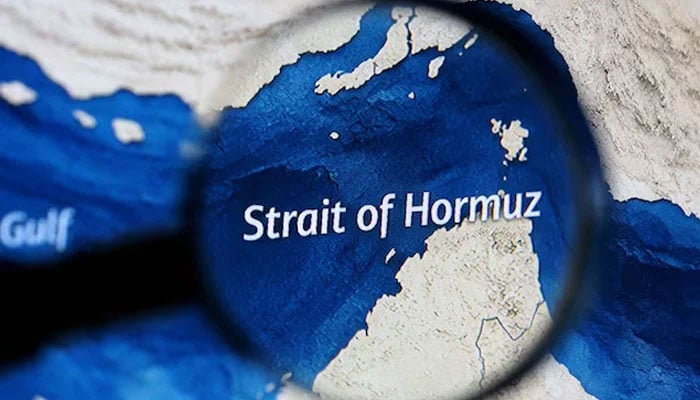
In conversations with more than three dozen oil and gas traders, executives, brokers, shippers and advisers over the last week, one message was repeated over and over: The world still hasn’t grasped the severity of the situation. Many drew parallels with the 1970s oil shock, warning the closure of the Strait of Hormuz is threatening an even bigger crisis. Fuel crunches hitting Asia will soon start spreading west, they said. Europe is likely to face surging prices to secure cargoes and is at risk of diesel shortages in the coming weeks.
If the strait stays closed, the world will have to significantly reduce its oil and gas consumption — but not before prices spike to a level that forces consumers and businesses to fly, drive and spend much less. Already, demand has begun to drop, and some countries in Asia are hoarding and rationing fuel. US government officials and Wall Street analysts are starting to consider the prospect that oil prices might surge to an unprecedented $200 a barrel.
“It’s clear to me if this crisis lasts more than three or four months it becomes a systemic problem for the world,” Patrick Pouyanne, chief executive officer of TotalEnergies SE said at the CERAWeek conference in Houston. “We cannot have 20 percent of the crude oil, which is exported globally, stranded in the Gulf and 20% of the LNG capacity stranded, without any consequence.”
A simple back-of-the-envelope calculation suggests the closure of the strait is reducing global oil flows by some 11 million barrels a day, after accounting for the interventions so far aimed at offsetting the loss. When compared with pre-war demand levels, that leaves a roughly 9 million-barrel shortfall — a yawning gap that is more than the oil consumption of the UK, France, Germany, Spain and Italy combined. Lower demand, particularly in Asia, is already helping to force a closing of that gap.
But for supply this may be as good as it gets. A massive emergency stockpile release and US waivers on Russian and Iranian oil sanctions have bought some time, but they are finite interventions. Once they’re exhausted, it’s not clear what further tools President Donald Trump has to keep global oil prices from surging in the near term – other than fully reopening the strait. Iran has been allowing a trickle of foreign ships to pass through the waterway, but the numbers so far do little to move the needle.
The situation is even more extreme in liquefied natural gas. The Strait of Hormuz typically accounts for about a fifth of global supply, with the final cargoes on the way from the Middle East now about to arrive at their destinations. Unlike in oil, there are no alternative routes to get the gas to market and very few strategic stockpiles to cushion the shortfall.
The US is the world’s biggest LNG exporter, and its domestic gas market is relatively insulated from the war due to its massive production. But it’s not just fuel: petroleum is used to make plastics, which are used in just about everything.
Key Gulf suppliers have already reduced oil production as storage in the region fills up. And the longer the strait remains closed, the greater the risk that key energy production assets are damaged in the conflict, resulting in an even more prolonged impact on supply. Already, parts of the world’s biggest LNG plant have sustained missile damage which owner QatarEnergy warned will take up to five years to repair.
For now, oil prices have yet to reach panic levels. Futures closed last week just above $112 a barrel, up 55% since the war began but far below 2008’s all-time high of $147.50. European natural gas prices are up 70% since the start of the conflict, but have come nowhere near the peaks set during the 2022 energy crisis.
Part of the reason is that traders are assuming that Trump will abandon the conflict before the economic toll of a prolonged war reaches extreme levels.