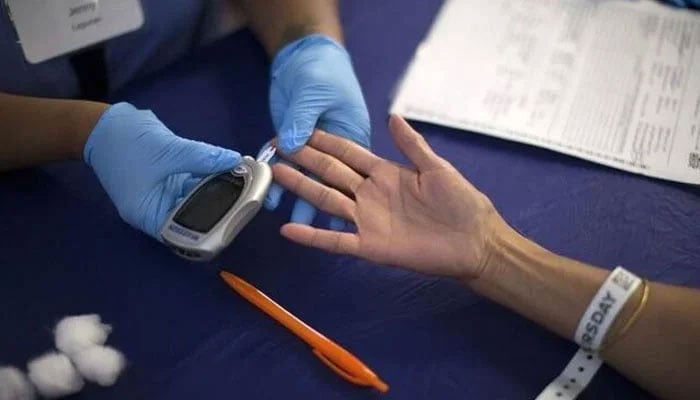
More than one million people have been screened for diabetes across Pakistan since 2021 under an early detection initiative, with men accounting for an overwhelming 82 per cent of those screened, compared to just 18 per cent women, highlighting a significant gender gap in access to screening and healthcare services, officials and experts said on Monday.
The screening was carried out under the Discovering Diabetes project, an early detection initiative launched in 2021 to identify people at risk of diabetes and link them with healthcare services. Programme data shows that 1,048,234 individuals have been screened or tracked through risk assessment systems.
Of these, 482,565 individuals were connected with healthcare providers for further evaluation and follow-up, while 360,626 people received health support through the programme after screening identified elevated risk or confirmed diabetes.
According to the latest estimates by the International Diabetes Federation and the World Health Organisation, Pakistan has around 34.5 million adults aged 20 to 79 years living with diabetes, placing the country among those with the highest number of patients globally. The prevalence has reached 31.4 per cent, meaning nearly one in three adults is affected.
Health experts say the reported figures likely represent only part of the true burden, as a large number of people remain undiagnosed due to limited awareness, lack of routine screening and barriers to accessing healthcare services, particularly for women.
Many patients only learn about their condition after developing complications such as heart disease, kidney failure, vision loss or nerve damage. The growing burden of diabetes is also linked to rising obesity among younger populations, while recent surveys have highlighted alarming trends in underserved areas.
A survey conducted in rural Khyber Pakhtunkhwa found that nearly every second adult is living with diabetes, underscoring the scale of the problem where access to screening remains limited.
Recognising the need for early detection and improved awareness, Discovering Diabetes was launched in 2021 by the local pharmaceutical firm PharmEvo to identify individuals at risk, promote screening and connect patients with healthcare support. The initiative has reached more than 11.1 million people through awareness activities and digital engagement across the country.
Discovering Diabetes project director and PharmEvo CEO Syed Jamshed Ahmed said that an AI chatbot called Dibot was introduced in 2022 to help individuals assess their risk of developing diabetes.
“The digital tool allows users to complete a self-assessment by answering simple health-related questions and receive guidance on whether they may need further screening or medical consultation.”
In addition to digital screening, the programme also focuses on field-based activities through Project REACH, which conducts screening and awareness campaigns in communities with limited access to healthcare services.
These activities have been carried out in several rural areas including Wari, Mardan, Swat and Gujrat, where field teams assessed individuals for diabetes risk factors such as blood sugar levels, blood pressure, waist circumference and other metabolic indicators.
Data generated from these screening activities shows that about 18 per cent of those assessed are living with diabetes, while nearly 11 per cent were newly diagnosed during the screening process, indicating that many people were previously unaware that they had the disease.
Alongside screening activities, the programme also focuses on awareness through community engagement initiatives. Educational sessions conducted in mosques with the support of religious scholars have been used to promote healthier lifestyles, highlight the importance of early screening and encourage people to seek medical advice if they have symptoms or risk factors associated with diabetes.
Experts say the wide gender gap in screening points to deeper social and structural barriers, including limited mobility, lower health seeking behaviour and restricted access to healthcare services for women in many parts of the country.
“Early diagnosis, lifestyle changes and timely treatment can significantly reduce the risk of complications and help millions of people manage the disease more effectively,” stressed Ahmed.