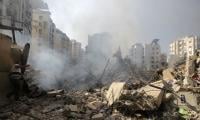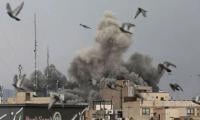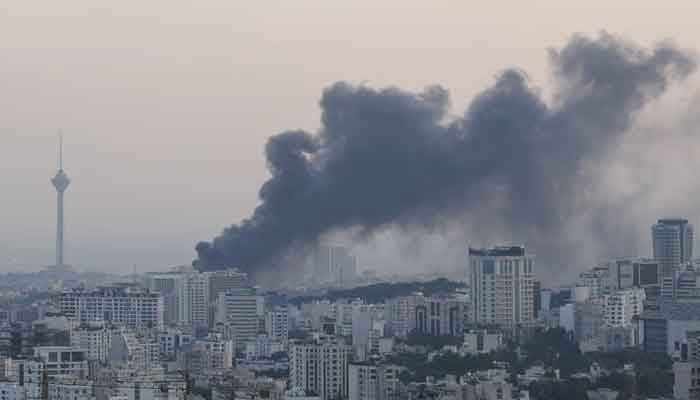
From Gaza to Lebanon and now Iran, civilians continue to bear the price of imperialism. This escalation has not been limited to civilians. Israeli strikes also killed Iran’s Supreme Leader Ayatollah Ali Khamenei, along with senior military officials. For Africa, the crisis unfolding thousands of kilometres away is not a distant geopolitical calamity.
Instability in the Gulf has historically translated into sharp fuel price increases across the continent, with imported petroleum underpinning transport, electricity generation and food supply chains from Lagos and Nairobi to Johannesburg and Dakar.
The result is rising inflation and higher food prices. Still, Africa’s stake in this conflict is not only economic. It is also a legal and political question. The issue confronting African governments is not whether they admire the Islamic Republic of Iran or the United States.
The real question is whether the rules governing the use of force between states still apply at all.
Article 2(4) of the United Nations Charter prohibits states from using military force against the territorial integrity or political independence of another state, except in self-defence or with UN Security Council authorisation, a principle long understood as central to international order.
None of these legal thresholds were met in the case of the strikes on Iran. Instead, both Israeli Defence Minister Israel Katz and US Secretary of War Pete Hegseth have presented the strikes on Iran as acts of “preemptive” self-defence against Iran’s nuclear and missile capabilities.
Africans have seen before how quickly Western military campaigns, launched in the name of democracy, human rights or humanitarian protection, can expand far beyond their stated purpose. Libya is a case in point.
In March 2011, the United Nations Security Council adopted Resolution 1973, authorising “all necessary measures” to protect civilians during Libya’s uprising against Colonel Muammar Gaddafi. Within months, NATO aircraft were conducting an extensive bombing campaign across Libya, striking military installations and government infrastructure, while also killing civilians.
For many Africans, it was no cause for celebration. The moment symbolised something deeper: a Western air war that culminated in the violent overthrow of an African government and the death of its leader.
More than a decade later, Libya remains politically fractured, governed by rival administrations in Tripoli and eastern Libya, while armed militias continue to dominate large parts of the country.
Excerpted: ‘Iran today, Africa tomorrow’. Courtesy: Aljazeera.com