ISLAMABAD: Pakistan is producing more medical graduates than its training system can absorb, with a growing mismatch between thousands of newly-qualified doctors and a limited number of postgraduate residency positions, prompting the Pakistan Medical and Dental Council to call for a major expansion of training slots across the country.
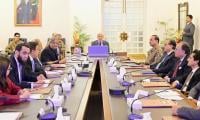
In a recent council meeting, the PMDC formally recommended that provincial health departments significantly increase the number of postgraduate training positions in public sector hospitals, warning that the real bottleneck in the country’s medical workforce is no longer the supply of doctors but the lack of structured training opportunities and career pathways.
Over the past two decades, Pakistan has expanded its undergraduate medical education capacity, leading to what officials describe as an adequate, and in some disciplines even surplus, number of graduates.
However, this expansion has not been matched by a corresponding increase in funded residency programmes, particularly in the public sector where most accredited training is offered.
As a result, a large number of young doctors are forced into intense competition each year for limited training slots, leaving many either underemployed, stuck in prolonged waiting periods, or compelled to seek opportunities abroad. The council warned that this imbalance is a major driver of the ongoing brain drain, as skilled graduates increasingly migrate to other countries in search of structured training, better working conditions and clearer career progression.
Under the PMDC Act 2022, the council regulates standards, accreditation and recognition of medical education and training, but the responsibility for creating, funding and expanding postgraduate training positions rests with provincial governments, which manage public sector hospitals including tertiary care institutions, district headquarters and tehsil headquarters hospitals.
PMDC President Prof Dr Rizwan Taj said the council had unanimously recommended a phased but substantial increase in postgraduate training capacity, aligned with the annual output of medical graduates and evolving healthcare needs of provinces.
He stressed that expanding residency slots is not only essential to accommodate young doctors but also critical for strengthening the country’s healthcare system, as postgraduate trainees and specialists form the backbone of future faculty and clinical leadership.
The council also urged provinces to upgrade district and tehsil level hospitals into accredited training centres, a move that could decentralise specialist training and improve healthcare delivery in underserved areas.
Experts say linking postgraduate training with transparent and merit-based career progression within the public health system would help retain trained specialists and reduce migration, while also addressing shortages of qualified faculty in medical colleges.
The PMDC maintained that its recommendations are aimed at correcting workforce imbalances, enhancing institutional capacity and ensuring that Pakistan’s growing pool of medical graduates is effectively utilised within the country instead of being lost to foreign healthcare systems.