LAHORE: The Punjab government has decided to extend full cooperation to the federal government in its countrywide crackdown against money laundering and hawala-hundi networks, establishing a dedicated unit within the provincial Anti-Corruption Establishment (ACE) to bolster enforcement capacity in line with commitments made under the International Monetary Fund (IMF) programme.
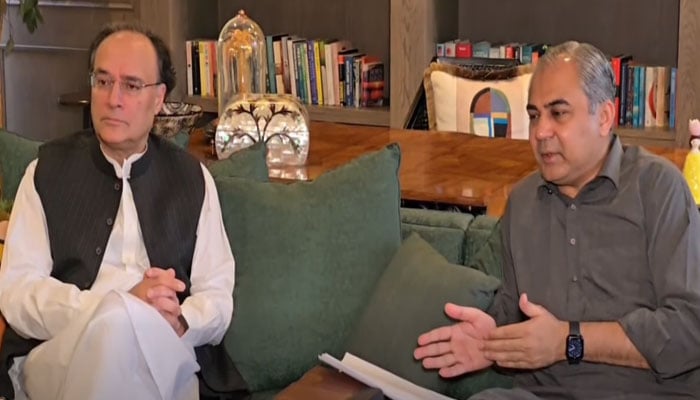
The decision follows a high-level meeting held two days ago, jointly chaired by Interior Minister Mohsin Naqvi and Finance Minister Muhammad Aurangzeb, where it was resolved to initiate strict action against large business entities and individuals involved in the illegal transfer of funds abroad. The meeting underscored that no leniency would be shown to anyone engaged in money laundering or informal remittance systems.
Participants emphasised that all overseas remittances must be routed exclusively through formal banking channels and other legal means to curb undocumented financial flows and promote economic documentation.
In line with the federal initiative, the Punjab ACE has operationalised a Special Money Laundering Investigation Unit (MLIU) at its headquarters. The unit will provide technical and operational support to the ongoing federal crackdown when required, while also enhancing institutional capacity for investigating financial crimes.
The move forms part of a broader reform agenda under the IMF’s Extended Fund Facility (EFF), which envisages strengthening anti-money laundering frameworks. As part of these reforms, provincial anti-corruption agencies are proposed to be formally designated as investigation and prosecution bodies under the Anti-Money Laundering Act, 2010. The Ministry of Finance had briefed stakeholders on this reform plan in November 2025.
Officials said that until the necessary legal amendments are enacted, provincial anti-corruption bodies will assist federal authorities upon request. However, once the proposed legislation is passed — currently under consideration at the Ministry of Law and Justice — these bodies will gain autonomous powers to act within their jurisdictions. Pakistan has committed to completing this legislative process by 2026 under its agreement with the IMF.
Director General Anti-Corruption Punjab Sohail Zafar Chattha said the establishment of the MLIU reflected Punjab’s readiness to play an active role in the national campaign against financial crimes. He noted that the unit would examine money laundering dimensions in corruption cases and extend technical assistance to federal agencies.
Operating under the direct supervision of the DG ACE, the unit comprises senior officers from vigilance, financial crimes, and monitoring wings. It will function as a specialised forum to review cases, guide investigating officers, and ensure thorough scrutiny of the financial aspects of corruption.
Authorities pointed out that corruption-related crimes are becoming increasingly complex, with illicit funds often concealed through layered financial transactions, frontmen, benami ownership, and both movable and immovable assets. Addressing these challenges requires specialised expertise in financial profiling, forensic analysis, and asset tracing.
To enhance capacity, officers assigned to the unit have received training in financial investigations and modern anti-money laundering techniques with the support of the United Nations Office on Drugs and Crime, enabling better detection of suspicious transactions and recovery of assets.
Punjab’s extensive district-level network is expected to play a key role in identifying corruption cases, while the MLIU will standardise investigative procedures across the province and strengthen inter-agency coordination. The unit will also reinforce linkages with national institutions, including the Financial Monitoring Unit.
The reform process is being overseen by committees constituted by the prime minister, including one on anti-corruption and anti-money laundering headed by the federal law minister. These committees aim to improve investigative and prosecutorial capacity, enhance reporting standards for suspicious financial transactions, and foster greater coordination among law enforcement agencies.
Officials said the nationwide crackdown, coupled with the establishment of provincial support structures, is part of a coordinated strategy to eliminate financial crimes, meet international obligations, and ensure transparency in the financial system. They added that integrating provincial anti-corruption bodies into the anti-money laundering regime would mark a significant structural shift, making detection, investigation, and prosecution of financial crimes more effective in the future.