ISLAMABAD: Pakistan has recorded a historically low number of polio virus detections in environmental surveillance samples across the country, with only 15 sewage samples testing positive for wild poliovirus type 1 in February 2026, health officials said, describing the development as one of the most encouraging signs in the country’s long battle against the crippling disease.
According to the latest national environmental surveillance results, 111 out of 126 sewage samples collected from different parts of the country in February tested negative for poliovirus, representing about 88 per cent of all samples, while only 12 per cent were found positive for the virus.
Officials say the sharp decline in virus detection in sewage indicates reduced circulation of the virus in communities and reflects the impact of intensified vaccination
campaigns and surveillance efforts across the country.
Health authorities noted that the number of positive environmental samples in February 2026 is the lowest recorded since August 2023, showing a significant decline compared to the same period last year.
At the same point in time in February 2025, Pakistan had reported 72 environmental samples testing positive for the virus, while the number has now dropped dramatically to just 15, suggesting a substantial reduction in virus circulation.
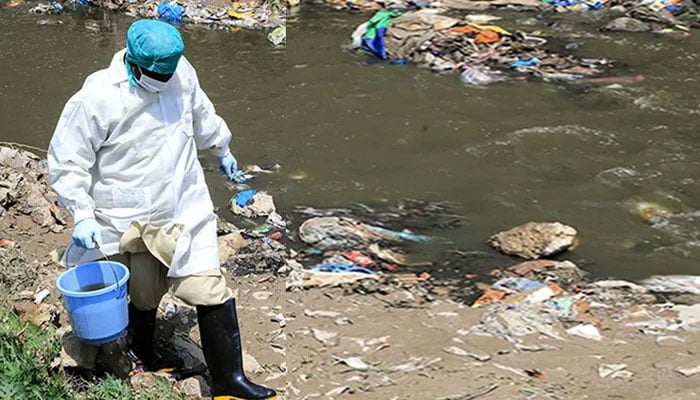
Environmental surveillance, which involves testing sewage samples for traces of poliovirus, is considered one of the most sensitive tools used by health authorities to track the silent transmission of the virus even when no clinical cases are reported.
Officials said the 15 positive environmental samples reported in February were detected mainly in Sindh, which accounted for nine samples, followed by three from Balochistan, two from Khyber Pakhtunkhwa and one from Punjab.
Despite the positive detections, the overall trend in the past several months shows a steady increase in the proportion of negative samples, indicating that the virus is gradually losing ground in many parts of the country.
Monthly surveillance data show that negative environmental samples increased from 54 in January last year to 111 in February this year, while positive samples dropped significantly during the same period.
Experts say this trend is particularly important because environmental surveillance often detects virus circulation weeks or months before clinical polio cases appear.
They say a decline in positive sewage samples generally reflects reduced transmission of the virus and suggests that vaccination campaigns are successfully limiting the spread of poliovirus among children.
So far in 2026, Pakistan has reported only one confirmed polio case, which was detected in Sindh, while no cases have been reported from Punjab, Khyber Pakhtunkhwa and Balochistan.
Public health experts, however, caution that the presence of even a small number of positive environmental samples means the virus has not been completely eliminated and continued vigilance remains essential.
Officials involved in the eradication effort say the current decline in virus detection is encouraging but fragile, and maintaining high vaccination coverage among children under five years of age remains critical to stopping transmission completely.
They say the polio eradication programme will continue to conduct nationwide and targeted vaccination campaigns, particularly in high risk districts, while strengthening environmental surveillance to ensure that any remaining virus circulation is detected quickly.
Health authorities added that sustained political commitment, community engagement and uninterrupted vaccination campaigns will be essential for Pakistan to finally interrupt poliovirus transmission and achieve polio free status in the coming years.
Pakistan and neighbouring Afghanistan remain the only two countries in the world where wild poliovirus transmission has not yet been completely interrupted.