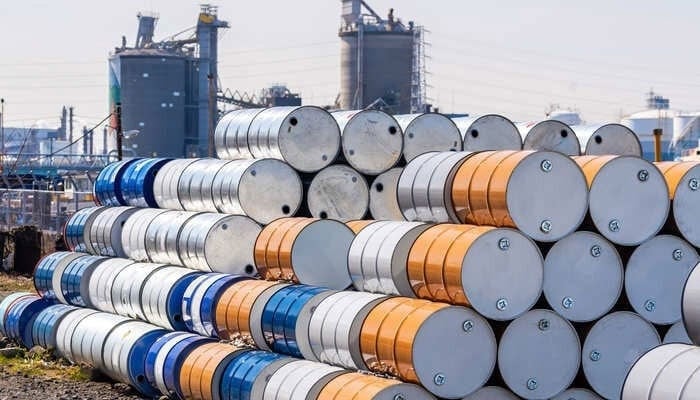
KARACHI/ISLAMABAD: The federal government has made it mandatory for oil refineries to obtain prior approval from a prime minister-appointed committee monitoring petroleum supplies before exporting furnace oil, in a move aimed at safeguarding fuel availability and energy security amid emerging supply risks.
According to a notification issued by the Petroleum Division, proposals for furnace oil exports will first be reviewed by the division and other relevant authorities before being placed before the monitoring committee for final approval. The committee, headed by Finance Minister Muhammad Aurangzeb, oversees the country’s petroleum supply situation and regularly monitors fuel inventory levels.
Officials said the decision was taken in view of the prevailing oil supply situation and the need to ensure uninterrupted availability of petroleum products in the domestic market. The new mechanism will allow the government to closely track fuel stocks and manage exports without affecting local supply.
In a letter sent on March 9, the Petroleum Division informed the Oil and Gas Regulatory Authority and five local refineries -- Pak-Arab Refinery Company, National Refinery Limited, Pakistan Refinery Limited, Attock Refinery Limited and Cnergyico Pakistan Limited -- that furnace oil exports would now require clearance from the monitoring committee.The step is part of broader efforts to strengthen oversight of the petroleum sector and ensure the country maintains adequate reserves of essential fuels amid volatile global oil markets and domestic energy requirements.
Pakistan has in recent years allowed exports of furnace oil due to surplus production by local refineries after the power sector largely phased out its use and shifted to alternative fuels such as imported coal, liquefied natural gas (LNG), hydropower and renewable energy sources. However, the evolving regional energy situation has prompted authorities to review the policy to ensure adequate domestic availability of fuels in case of supply disruptions.
Energy sector sources say concerns have also grown following tensions around the Strait of Hormuz and the possibility of a shortfall in imported gas supplies.
Officials noted that Pakistan’s imported LNG supplies could run out after March 24. While some re-gasified LNG (RLNG) power plants may continue operating with about 90 million cubic feet per day of gas available in the national pipeline network, the remaining supply is expected to last only until the end of March.
In such a scenario, authorities may have to consider the temporary use of furnace oil for electricity generation through thermal power plants. However, the cost of generating electricity from furnace oil remains high due to heavy taxation.
Currently, the petroleum levy on furnace oil stands at around Rs77 per litre -- roughly Rs88,077 per metric tonne -- while the climate support levy adds another Rs2.5 per litre, or about Rs2,655 per metric tonne.
Industry officials say delays in furnace oil exports could also create storage constraints at refineries. As inventories build up, refineries may face ullage issues that could force them to slow refining operations, potentially affecting the production of other petroleum products such as petrol and diesel.
Meanwhile, export-oriented industries have urged the government to allow the use of furnace oil in captive power plants to address a potential energy shortfall. They argue that the option would only be viable if the government temporarily suspends the petroleum levy and climate support levy on the fuel.
Industrial stakeholders say that without such relief, electricity generated from furnace oil would significantly increase power tariffs within the national energy mix.Officials emphasised that the latest directive does not impose a blanket restriction on furnace oil exports but introduces an additional layer of scrutiny to ensure domestic fuel needs are prioritised. Authorities are expected to continue reviewing fuel supply and demand trends and may revise the policy if market conditions change.