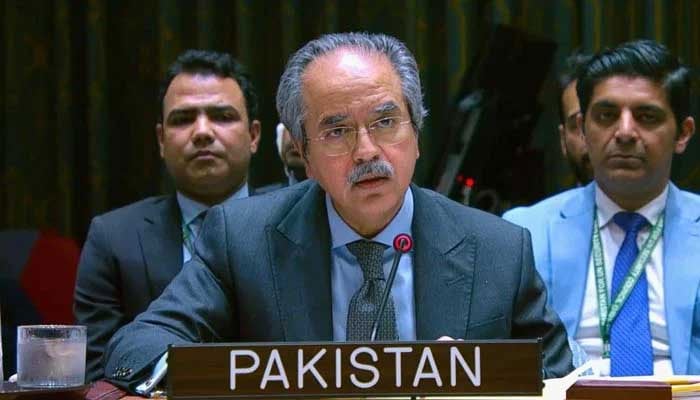
Pakistan’s warning at the UNSC was neither new nor unexpected. For years, Islamabad has been flagging the growing threat of cross-border militancy emanating from Afghan soil. But Ambassador Asim Iftikhar Ahmad’s blunt assertion – that elements within the Afghan Taliban regime are showing “complicity and active support” for terrorist outfits targeting neighbouring states – shows a dangerous escalation in both tone and reality. The core of Pakistan’s concern remains the presence and operational freedom of groups such as the TTP, BLA, the Majeed Brigade, Daesh-Khorasan, Al-Qaeda and the East Turkestan Islamic Movement. According to Islamabad, these organisations continue to enjoy safe havens inside Afghanistan, using them to plan and launch infiltration, suicide bombings and violent attacks across the border. The persistence of these threats has strained bilateral ties and also deepened insecurity in Pakistan’s already volatile frontier regions.
Diplomacy, by most accounts, has been tried – and tried repeatedly. Pakistan has engaged Kabul through bilateral channels, participated in quadrilateral and regional formats involving China, Russia and Iran, and welcomed mediation efforts by countries such as Turkiye and Qatar. Yet, despite these initiatives, the fundamental Pakistani demand – that Afghan territory not be used against it – remains unmet. In such circumstances, Islamabad argues that it has been left with limited options. Operation Ghazab Lil Haq reflects this shifting calculus. Pakistan’s kinetic response, aimed at dismantling militant infrastructure and destroying stockpiles of weapons – many reportedly left behind after the US withdrawal – signals a willingness to act unilaterally when diplomatic engagement fails to yield results. While initial Taliban rhetoric warned of dire consequences, the subsequent quiet from Kabul suggests that the military pressure may have opened back-channel avenues for de-escalation. Still, reliance on force alone is neither sustainable nor strategically sufficient. Even Pakistan’s well-wishers acknowledge this. The International Crisis Group has rightly urged Islamabad to complement military action with a more nuanced counter-insurgency approach, including greater consultation with local communities in Khyber Pakhtunkhwa and improved coordination between provincial law-enforcement agencies and the military.
At the same time, Pakistan is not alone in sounding the alarm. Washington’s decision to designate the Taliban administration as a ‘state sponsor of wrongful detention’, accompanied by the possibility of restricting US passport travel to Afghanistan, does show the regime’s growing international isolation. Other countries are also wary of Afghanistan once again becoming a hub for transnational militancy. This convergence of concerns should serve as a wake-up call for Kabul. The Taliban’s quest for legitimacy cannot succeed while militant groups continue to operate with impunity from Afghan territory. The regime must recognise that regional stability is a prerequisite for its own survival and acceptance. Meaningful action against terrorist networks would be the first step towards rebuilding trust with neighbours and the wider international community. For Pakistan, the challenge is equally complex. Security imperatives demand vigilance and, when necessary, decisive action. Yet long-term peace will depend on a balanced strategy – one that combines credible deterrence with sustained diplomatic engagement, internal reforms, and regional cooperation. The spectre of Afghanistan drifting into rogue-state territory is not merely a rhetorical flourish; it is a strategic risk with real consequences for the entire region. Preventing that outcome will require responsibility on both sides of the Durand Line.