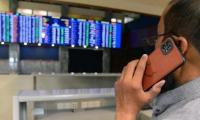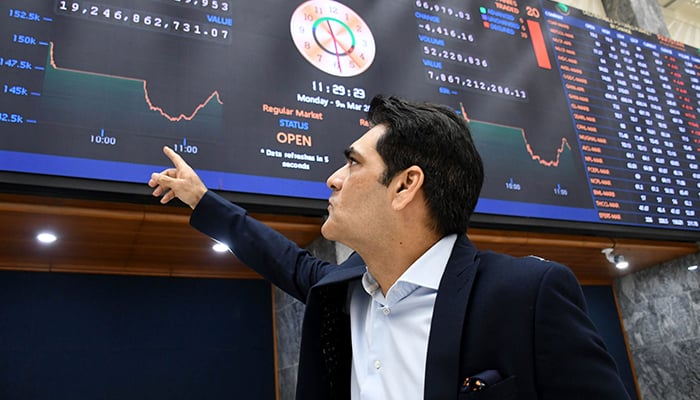
Shares at the Pakistan Stock Exchange closed lower on Wednesday after a sharp early rally fizzled out when oil prices rebounded, triggering profit-taking and risk-off sentiment among investors.
The benchmark KSE-100 index closed at 155,858.47 points after losing 318.65 points or -0.2%, down from the previous close of 156,177.12 points. The market witnessed an intra-day high of 158,624.51 points and a low of 155,652.35 points.
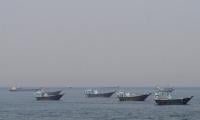
Oil prices were retreating after US President Donald Trump said that the war may end soon, but a strike on a cargo vessel by an unknown projectile in the Strait of Hormuz forced them to go back up again. Brent futures LCOc1 traded up 59 cents, or 0.7%, at $88.39 a barrel by 0727 GMT. US West Texas Intermediate (WTI) CLc1 traded 98 cents higher, or 1.2%, at $84.43 a barrel.
Ahfaz Mustafa, CEO of Ismail Iqbal Securities, told Thenews.pk: “It was reported that a cargo ship was hit in the Hormuz, causing oil prices to reverse earlier losses. At close, oil was up over 2%, reigniting fear of higher oil prices and causing participants to take risk off.”
The market had earlier rallied by more than 2,000 points, which the analysts had attributed to oil prices falling and other positive indicators.
Arif Habib’s Ahsan Mehnti said that the stocks staged further recovery in the early session at PSX on institutional interest in oversold scrips amid lower global crude oil prices and upbeat data on $3.3 billion remittances rising by 5.2% year-on-year.
“Government assurance to renegotiate the IMF deal, lowering taxes, and securing crude supplies in regional crises played a catalyst role in bullish activity at PSX,” he added.
Meanwhile, China stocks closed higher on Wednesday with defensive and new energy sectors leading gains, joining a choppy relief rally in the region despite Middle East uncertainties.
Shares in the broader Asia region bounced on oil prices following International Energy Agency's reported plan for a record release of oil reserves. Still, sentiment remained cautious as contradictory signals from Middle East left investors struggling to gauge its impact on global inflation and growth.