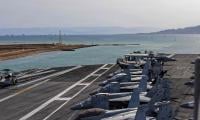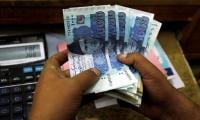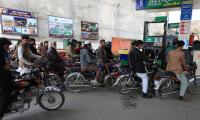
Amidst the economic volatility engulfing the world due to the US-Israel attacks on Iran, the Monetary Policy Committee (MPC) of the SBP has decided to keep rates unchanged at 10.5 per cent. The move was in line with most analysts’ expectations. The MPC statement noted that the incoming data was largely consistent with the macroeconomic projections shared after the January meeting. The committee observed that the macroeconomic outlook has become quite uncertain following the outbreak of the war in the Middle East. With retail diesel and petrol prices being hiked by about 20.0 per cent, oil surging well past $100.0 per barrel and the KSE-100 Index experiencing its second-highest single-day decline on Monday, caution would indeed appear to be the appropriate response. The MPC’s initial assessment of the evolving geopolitical situation indicates that the outlook for key macroeconomic variables for FY26 is within the earlier projected ranges. However, risks for the macroeconomic outlook have increased significantly.
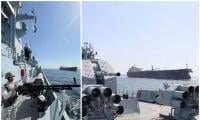
While the West has not been spared the economic downsides of its war on Iran, the impact has been particularly brutal for Asia. Most of the Asian economies are net importers of oil and gas and rely heavily on maritime trade routes. As it so happens, some analysts say that Pakistan and India are the most vulnerable to the ongoing turmoil, given their exposure to the Strait of Hormuz. As such, while the country’s economy might be in better shape than in 2022, the crisis this time will likely have a greater impact. Given the volatile geopolitical situation, the MPC assessed that inflation may remain above 7.0 per cent in the remaining months of FY26 and into FY27.
This is not good news for ordinary Pakistanis, who were looking for economic relief ahead of the next budget. With an IMF review ongoing and the country yet again failing to meet tax collection targets in January and February, FY27 is shaping up to be a lot like FY26. If the war keeps dragging on, things could well be a lot worse. The outlook does not seem much brighter for businesses either, which are now stuck between a 10.5 per cent policy rate and skyrocketing fuel prices. While the MPC expects real GDP growth to remain within the earlier projected range of 3.75–4.75 per cent in FY26, it notes that the outlook is subject to risks, particularly from the unfolding geopolitical developments. ‘Risk’ is perhaps the keyword here. With the course of this war seeming to be dependent mostly on the whims of US President Donald Trump and his Israeli allies, one does not know whether the next month or even week will be better than the last. Concrete expectations that things will be worse can at least generate some planning. But volatility and uncertainty are crippling. In this context, keeping things where they are might be the best option.