ISLAMABAD: Pakistan’s oil supply chain is facing mounting pressure after a recent fuel import tender floated by Pakistan State Oil (PSO) received no bids, highlighting the growing disruption in Gulf shipping caused by escalating geopolitical tensions in the Middle East.
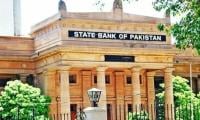
In response, the oil industry has urged the State Bank of Pakistan (SBP) to temporarily allow petroleum imports on a cost, insurance and freight (CIF) basis to ensure uninterrupted fuel supplies.
In a letter on Monday, addressed to SBP Governor Jameel Ahmad, the Oil Companies Advisory Council (OCAC) sought a two-month regulatory relaxation to facilitate imports of crude oil, refined petroleum products, base oil and allied materials.
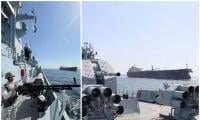
The industry body said the global oil shipping market has turned highly volatile amid the ongoing confrontation involving Iran, Israel and the United States, which has heightened security risks in the Persian Gulf.
According to the OCAC, freight rates for vessels operating in the Gulf region have increased nearly fourfold, while insurers have either withdrawn or sharply raised war-risk coverage for ships passing through critical waterways such as the Strait of Hormuz.
The narrow maritime corridor, one of the world’s most important oil transit routes, connects the Persian Gulf to international markets. Rising conflict risks have made shipping companies and insurers increasingly cautious about operating in the area.
These developments have complicated Pakistan’s traditional fuel procurement arrangements, under which refineries and oil marketing companies import petroleum products on a cost and freight (C&F) basis.
Under this system, suppliers arrange and pay for freight up to the destination port, while Pakistani buyers must secure marine cargo insurance, including war-risk coverage, a task that has become increasingly difficult in the current market environment.
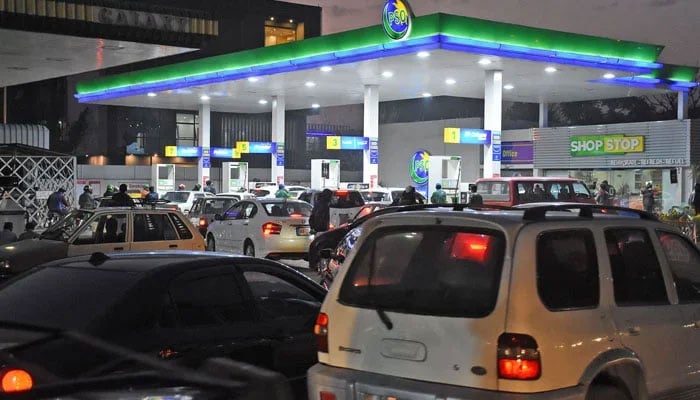
The challenges became evident after the recent spot tender issued by PSO for cargoes of gasoline (MS), high-speed diesel (HSD) and jet fuel (JP-1) reportedly failed to attract any bids. The tender, floated on the Gallop trading platform on a C&F basis, reflected the reluctance of international suppliers to participate under the prevailing shipping and insurance conditions.
Industry officials say the failed tender underscores the need for temporary regulatory flexibility to ensure uninterrupted fuel procurement. The OCAC has proposed allowing imports on a CIF basis, under which suppliers would arrange both freight and marine insurance, including war-risk coverage, as part of the cargo delivery to the destination port.
Industry representatives argue that international suppliers are better positioned to secure insurance and manage shipping risks during periods of heightened geopolitical tension.The council noted that under Chapter 13 of SBP’s Foreign Exchange Manual, CIF imports require approval on a case-by-case basis. However, it has requested temporary general permission for petroleum cargoes to prevent delays in procurement.
The request comes at a sensitive time for Pakistan’s energy supply chain, particularly with the upcoming agricultural season when diesel consumption typically rises.The OCAC warned that continued difficulties in arranging shipping and insurance coverage could disrupt fuel procurement schedules, potentially affecting domestic fuel availability.Copies of the letter were also sent to the federal finance ministry, the petroleum division and the Oil and Gas Regulatory Authority (Ogra).