Trigeminal neuralgia is a facial pain disorder that causes a sudden, intense pain similar to an electric shock, on one side of the face. Trigeminal neuralgia is reputed to be one of the most painful conditions in human history; it affects the trigeminal nerve, which carries signals from the face to the brain. Even light touch from brushing your teeth or putting on makeup may trigger a jolt of pain. People with trigeminal neuralgia may at first experience short, mild episodes of pain, but the condition can get worse, causing longer periods of pain that happen more often.
These views were shared by Prof Tauqir Ul Islam, consultant oral & maxillofacial surgeon and Head of Department at Liaquat National Hospital, at a public health awareness seminar.
He said the pain attacks may last for a few seconds or occur in “volleys” (multiple bursts of pain in quick succession) lasting several minutes, that’s why trigeminal neuralgia, often called the “suicide disease”. Moreover, severity of the pain has been associated with a higher risk of suicidal thoughts in patients, particularly if the pain is not effectively managed, said Prof Tauqir Ul Islam, while speaking at Neurospinal & Cancer Care Postgraduate Institute (NCCI), Karachi.
The pain, often triggered by just a light touch to an area of skin, can strike at any time and without warning, triggers including: Shaving, touching your face or washing your face, eating, drinking, brushing your teeth, talking, putting on makeup, a light breeze blowing over your face and smiling etc.
Frequency of attacks can vary from a few times a month to several times each day depending on the severity of the condition. Unfortunately, for most sufferers, the condition is progressive and will worsen over time.
Women are more predisposed to developing trigeminal neuralgia than men with reported ratios around 2:1, the reasons aren’t clear, although experts highlighted anatomical differences such as women’s smaller nerve volumes, genetic predispositions and hormonal influences. Most cases of trigeminal neuralgia are sporadic, means, they are non-hereditary. Trigeminal neuralgia in Pakistan has an estimated incidence of 4.3 to 12.6 per 100,000 people annually, often presenting in patients aged 50 or over.
Situations that can affect the trigeminal nerve include multiple sclerosis that damages the myelin sheath protecting certain nerves can cause trigeminal neuralgia, other causes are a tumor, head trauma, viral infections, migraine, and autoimmune diseases. Circulatory issues, strokes, or accidental damage from brain or dental surgery are also important causes, explained by Prof. Tauqir Ul Islam.
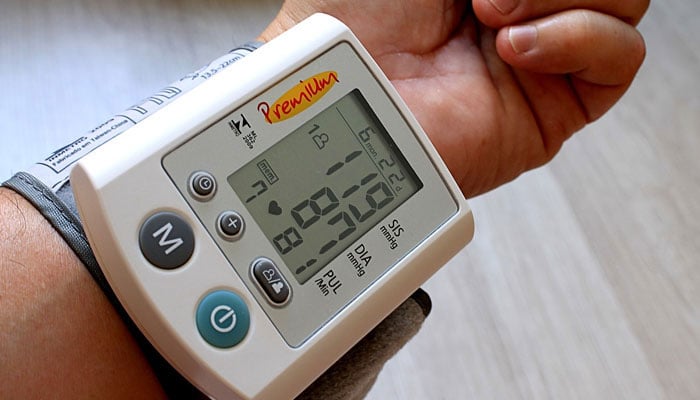
Dr Saima Jawed, neurologist at a tertiary care hospital in Karachi, also spoke to the seminar. She presented a recent study published in renowned journal ‘Neurology’, which found that patients with high blood pressure were about 50 per cent more likely to develop trigeminal neuralgia than those with normal blood pressure. The researchers postulated that a twisted blood vessel, created by high blood pressure, could compress the trigeminal nerve in these cases, and this is the main reason for increased trigeminal neuralgia in Pakistan as we are facing a severe, rapidly escalating hypertension burden, with one of the highest prevalence rates globally. Experts found a 46.2% prevalence, far exceeding the global average.
Experts also discussed a 2024 nationwide cohort study from Denmark, published in Cephalalgia, which found a significant association between trigeminal neuralgia and an increased risk of subsequently developing certain cancers, particularly within the first year of diagnosis.
They advised that if you experience pain in your face, particularly if it’s long-lasting or comes back after going away, immediately contact your family physician or dentist.
“There’s no specific test for trigeminal neuralgia, so a diagnosis is usually based on your symptoms and description of the pain. TN is often diagnosed by a dentist or a neurologist; the dentist will ask you about your symptoms and give you a dental X-Ray to help them investigate your facial pain. They’ll look for common causes of facial pain, such as a dental infection or cracked tooth” said by Prof Abdul Sattar M. Hashim, consultant neurosurgeon, chairman & MD of NCCI.
“An MRI scan is often used to help with the diagnosis of trigeminal neuralgia, this scan create a detailed images of the inside of your body. An MRI scan may also be able to detect whether a blood vessel in your head is compressing one of the trigeminal nerves, which is thought to be the most common cause of TN, further elaborated by Prof Abdul Sattar.
“Carbamazepine is the most studied and preferred first-line agent, the downside, however, is the medicines’ side effects, including drowsiness, dizziness and nausea. Some patients possess the gene, HLA1502, which increases the risk of a life-threatening rash known as Steven-Johnson syndrome when put on these medicines” he while highlighting the treatment of TN.
Carbamazepine and other anti-convulsant, needs genetic screening beforehand. Carbamazepine and Gabapentin also requires regular blood tests during the course of treatment to detect idiosyncratic reactions. Over a third of TN patients in some studies develop pain that is refractory to medical therapy, eventually needing surgical intervention.
Approximately 50% of trigeminal neuralgia (TN) patients develop resistance to oral drug treatments over the course of their therapy (due to tachyphylaxis) and eventually require other options such as microvascular decompression (MVD) and the most advanced Stereotactic Radiosurgery Gamma Knife (Esprit) which is highly accurate and precise.
Effective outcomes have been well documented for trigeminal neuralgia patients treated with Gamma Knife radiosurgery with reported high success rates of 90%, added Prof. Abdul Sattar.
“Gamma knife, Esprit is an effective modality for elderly, high-risk patients or those with other serious medical conditions (comorbidities) who can’t tolerate traditional surgery or for patients whose pain persists after medications or previous procedures” said Adeel Ahmed, advisor to the chairman & MD of the NCCI.
Unlike other forms of surgery, Gamma Knife does not require any incisions, has far lower recovery times, it’s entirely an outpatient procedure; Patients go home the same day and return to normal activities quickly. It is extremely safe with negligible risk of infection, bleeding, or complications compared to open surgery.
Leading neurological and neurosurgical organizations across the globe and in the United States, including the American Association of Neurological Surgeons (AANS), recognize and recommended Gamma Knife radiosurgery as a safe, effective, and established treatment modality for various brain conditions like TN, Malignant, Benign and metastatic tumors and Arteriovenous Malformations (AVM), added by Adeel Ahmed.