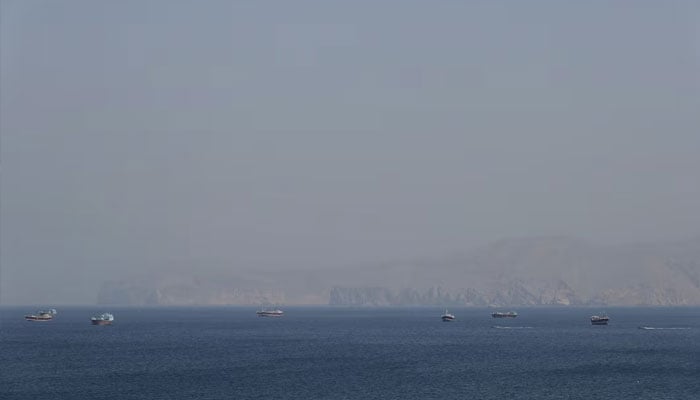
ISLAMABAD: As the closure of Strait of Hormuz and suspension of fuel supplies through the key waterway continue, Pakistan’s largest refinery — Pak-Arab Refinery Company (PARCO) — has managed to secure two crude oil cargoes from outside the Strait, helping it run operations and extend its crude stock cover until March 25, 2026.
Senior officials in the Petroleum Division told this scribe PARCO’s crude stocks, which were earlier sufficient only until March 15, have now been extended by 10 days. The refinery arranged one cargo of 70,000 barrels from Abu Dhabi National Oil Company (ADNOC) through the Fujairah port and another cargo of the same quantity from Saudi Arabia via facilities linked to the Red Sea. The management is also working to secure additional shipments routed outside the Strait of Hormuz.
PARCO has a long-term crude supply agreement with ADNOC, which typically exports oil through the Strait of Hormuz. Following the disruption, the refinery sourced a 70,000-barrel cargo through Fujairah, one the world’s largest oil storage and bunkering hubs located on the Gulf of Oman, outside the Strait. Meanwhile, a vessel of Pakistan National Shipping Corporation (PNSC), MT Karachi, which was transporting crude oil for PARCO from ADNOC, remains stranded in the Strait.
The second 70,000-barrel cargo has been arranged from Saudi Arabia through the East-West Crude Oil Pipeline (Petroline), which transports crude from the Kingdom’s eastern oil fields to Red Sea export terminals, bypassing the Strait of Hormuz. From there, shipments are dispatched to key buyers including China, Japan, South Korea and India. Although, the pipeline’s capacity is limited, PARCO has successfully managed to secure a cargo through this route.
Officials said that if the Strait of Hormuz crisis deepens, the Government of Pakistan may formally approach Saudi Arabia to include Pakistan in its list of preferred crude buyers via the Red Sea route. Such an arrangement could help sustain refinery operations despite Gulf shipping disruptions. However, energy experts cautioned that LNG imports — largely dependent on Qatar — would remain vulnerable as Saudi Arabia is not a major LNG exporter.
PARCO is the country’s largest refinery, with a processing capacity of 120,000 barrels per day. For more than a year, it has been operating at full capacity, making it critical to Pakistan’s fuel supply chain.