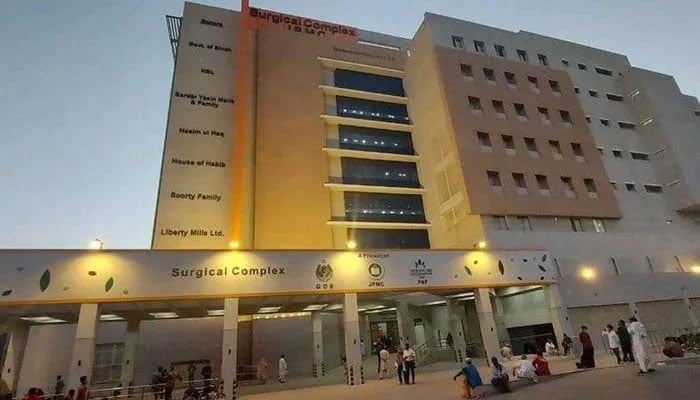
The Neurology Research and Patient Welfare Fund (NRPWF)-run National Epilepsy Centre (NEC) at Jinnah Postgraduate Medical Centre, in collaboration with Epilepsy Support Pakistan (ESP), observed National Epilepsy Day on Saturday, reaffirming a national commitment to improving the quality of life for people living with epilepsy across Pakistan.
Speaking at the event, Dr Hiba Mahmud described epilepsy as a common and treatable neurological disorder that continues to be overshadowed by stigma, misconceptions, and a significant treatment gap in the country. These concerns led to the launch of the Comprehensive Epilepsy Control Programme (CECP) of Pakistan in 2001 by NRPWF, she said.
The programme was established to systematically address these challenges through the expanded National Epilepsy Centre, which provides comprehensive medical care and support, and ESP, which focuses on public awareness, education, and community engagement.
A short documentary and a patient narrative screened during the session highlighted the daily struggles faced by individuals with epilepsy, including delayed diagnosis, interrupted treatment, and social exclusion. The presentations underscored the transformative impact of timely diagnosis and continuous medical care.
Addressing the gathering, Dr Zarine Mogal, Head of the National Epilepsy Centre, outlined the planning, implementation, and sustained continuity of NEC’s integrated epilepsy programmes over the past 25 years, along with its future roadmap. She noted that epilepsy affects more than two million people in Pakistan but emphasised that with proper awareness and support, most individuals can lead productive and dignified lives.
With access to affordable medicines, trained healthcare professionals, and community assistance, epilepsy can be effectively managed, she said. For every person with epilepsy, at least five family members are indirectly affected due to myths and lack of awareness. Epilepsy is not rare, not contagious, and not a reason for discrimination. It is a public health issue that demands ethical medical practice, continuity of care, and informed communities.
International solidarity was also expressed through a recorded message from Donna Walsh, CEO of the International Bureau for Epilepsy, who highlighted the importance of global partnerships in advancing epilepsy care and advocacy, and acknowledged Pakistan’s growing role in the field.
A message of support was also shared by renowned composer and actor Arshad Mahmud, who expressed solidarity with people living with epilepsy.
Shanaz Ramzi, president of ESP, stressed that while National Epilepsy Day serves to mobilise attention, Epilepsy Awareness Month helps sustain long-term public engagement.
She revealed that ESP has been advocating for February 28 to be officially recognised as National Epilepsy Day in tribute to the late humanitarian Abdul Sattar Edhi on his birth anniversary, acknowledging his lifelong service to humanity despite living with epilepsy.
She urged the government to formally endorse the proposal and called upon the media to support the cause.
The chief guest, renowned actor, anchor and activist Hina Khwaja Bayat, addressed the gathering as an ambassador for epilepsy awareness. She emphasised the importance of seeking timely medical help for a condition that is treatable but widely misunderstood.
The event concluded with an interactive question-and-answer session, followed by a renewed pledge from NEC and its partners to strengthen comprehensive epilepsy care, expand public awareness initiatives, and combat stigma nationwide.