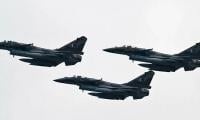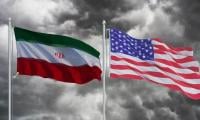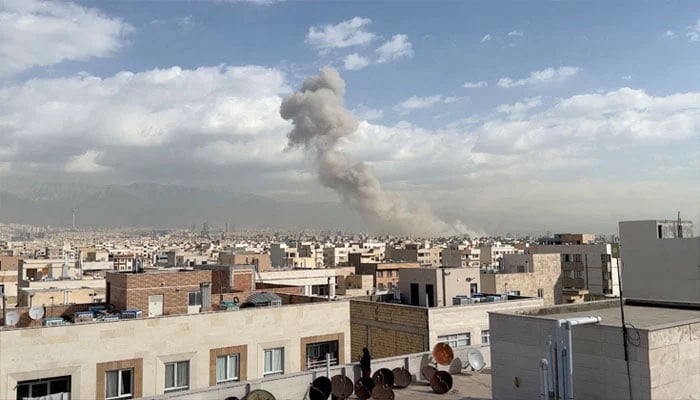
Saturday’s assault on Iran marks a dangerous turning point in an already fractured world order, with Israel and the US jointly attacking Iran in what they described as a ‘pre-emptive’ aim at Iranian targets. The two countries did not just attack military and security targets; reports indicate that Iran’s Supreme Leader Ali Khamenei and President Masoud Pezeshkian were also targeted, though the full results of the strikes remain unclear. To call this ‘pre-emptive’ is to stretch language beyond recognition. Preventive attacks, as Norway’s foreign minister correctly noted, require an immediate and imminent threat. That threshold has not been met – not legally, not morally and not strategically. These were no ‘pre-emptive’ strikes but unilateral aggression against a country that was in talks with one of the two aggressors. And just when Iran agreed during indirect talks with Washington this month not to stockpile enriched uranium, it was ambushed by Israel.
We have seen this pattern before. Last June, talks between Tehran and Washington collapsed after Israel launched attacks on Iran, triggering a 12-day war that Washington escalated by bombing three Iranian nuclear sites. This latest escalation was not some spontaneous reaction either. The US had deployed aircraft carriers and thousands of troops to the Gulf for weeks which is why the claim of sudden necessity rings hollow. Israeli Prime Minister Benjamin Netanyahu has framed the assault as an effort to remove an ‘existential threat’. Yet, the real existential threat to regional stability has long been the doctrine of unchecked aggression backed by unconditional American support. When a genocide has been ongoing for more than two years and the perpetrator is shielded diplomatically and militarily by the sole superpower, the message to the world is clear: might makes right. Iran’s retaliatory strikes on US assets are being loudly condemned, but it is worth asking: what does a sovereign state do when it is attacked by two nuclear-armed powers?
The outrage directed at Tehran is selective. The initial act of force is treated as strategic foresight but the response is framed as recklessness. The deeper objective appears unmistakable: regime change through force. The attack on Iran is about reshaping the political map of West Asia by toppling a government that refuses to align with Israeli and American strategic preferences. Planting a pro-Israel regime in Tehran would profoundly alter the balance of power in the region. Such an outcome would destabilise Iran’s neighbours and embolden further interventions. For Pakistan, this is not a distant conflict. The strategic convergence between India and Israel is well documented. Any forced regime change in Iran carries implications for Pakistan, particularly given Balochistan and the broader Indian-Israeli nexus. Pakistan’s Foreign Minister Ishaq Dar strongly condemned the unwarranted attacks against Iran and called for “an immediate halt to escalation through urgent resumption of diplomacy to achieve a peaceful, negotiated resolution to the crisis". This position, grounded in law and restraint, deserves broader support. Experts warn that Iran may struggle to withstand prolonged confrontation against the combined military might of the US and Israel. Yet wars are not decided solely by firepower. They are decided by legitimacy, endurance and the political consequences that follow. President Trump, who once campaigned against endless wars, now finds himself embroiled in precisely the kind of foreign entanglement he vowed to avoid. The lesson here is not that Iran is a threat to global peace but that a system in which powerful states can unilaterally bomb another sovereign nation under the guise of prevention is a system on the brink of collapse. If international law is to mean anything, Israel’s aggression must be called out and resisted. Standing with Iran in this moment does not mean one is endorsing every aspect of its governance. It means one is defending the principle that disputes must be resolved through diplomacy, not through coordinated missile strikes or sanctions that starve people.