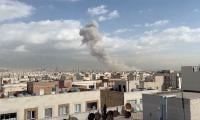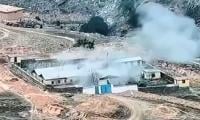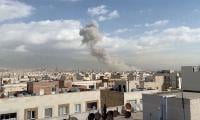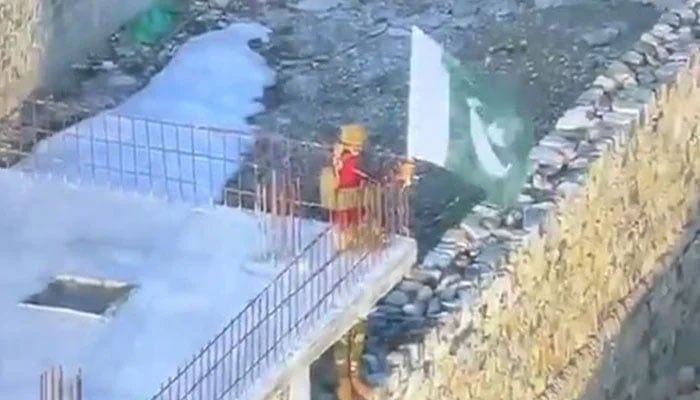
The Afghan Taliban regime launched unprovoked attacks along the Pakistan-Afghanistan border under the cover of darkness on Thursday night. The choice of timing and method spoke volumes. It was a calculated provocation, one that tested Pakistan’s patience, restraint and resolve. The response, however, was swift and decisive. Pakistan’s armed forces launched Operation Ghazab Lil Haq and destroyed several key Afghan Taliban posts after carrying out strikes inside Afghanistan. The scale of the retaliation underscores the seriousness of the aggression. The Pakistan Air Force conducted strikes in Kandahar, Kabul and Paktia, targeting military installations belonging to the Taliban regime. These included two corps headquarters, three brigade headquarters, two ammunition depots, one logistics base, three battalion headquarters, two sector headquarters, artillery pieces and armoured personnel carriers. During a press conference on Friday afternoon, Director General of ISPR Lt-Gen Ahmed Sharif Chaudhry confirmed that 73 Afghan posts were destroyed and 18 captured, while 274 Afghan Taliban were killed and over 400 were injured. More than 115 tanks, artillery guns and APCs were destroyed during the engagement.
Pakistan too paid a heavy price. Per the ISPR, 12 Pakistani soldiers embraced martyrdom, 27 sustained injuries and one is missing. Meanwhile, reports say that terrorists attempted to launch small drones in Abbottabad, Swabi and Nowshera, but anti-drone systems brought them all down. The message by the Pakistani state has been unambiguous: Pakistan will defend its sovereignty and its people. Yet this confrontation did not emerge in a vacuum. Islamabad and Kabul have long been at odds over terrorism. Pakistan has repeatedly urged the Afghan Taliban regime to prevent its soil from being used by terrorist organisations such as the TTP, its affiliates and Daesh. The October 2025 border clashes were a grim precursor. After the Afghan Taliban and terrorist proxies launched unprovoked attacks against Pakistan’s border posts, over 200 Taliban and affiliated militants were killed, while 23 Pakistani soldiers were martyred.
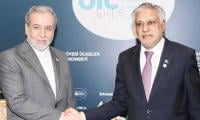
Despite mediation efforts by Qatar and Turkiye, and a prolonged ceasefire, the Afghan Taliban regime showed no signs of acknowledging its role in providing safe havens to terrorist organisations like the TTP and the BLA. Cross-border terrorist attacks have continued unabated. It is because of these attacks that Pakistan’s security forces say they neutralised more than 80 terrorists in intelligence-based airstrikes in Nangarhar, Paktika and Khost in response to suicide bombings in Islamabad, Bajaur and Bannu. Some had hoped peace would follow Nato’s withdrawal from Afghanistan. Instead, the Taliban regime turned Afghanistan into a base for global terrorists, denying fundamental rights to its own people and stripping women of the rights Islam guarantees them. Pakistan, which has hosted over five million Afghan refugees for decades and consistently supported Afghan welfare, finds itself confronting a regime that has facilitated the TTP’s cross-border violence. Now, as China, Russia, Iran and the UN urge restraint, and as Taliban spokesman Zabihullah Mujahid speaks of ‘dialogue’, Kabul faces a defining choice. The ISPR DG has put it plainly: the Afghan Taliban must choose between TTP, BLA, Daesh and Al-Qaeda — or Pakistan, which means a choice between terrorism and good relations with its neighbours. Dialogue is welcome, but it cannot be cosmetic. It must begin with verifiable action against terrorist sanctuaries. Pakistan has shown patience and restraint both. But when confronted with unprovoked aggression, it has also shown that it will not hesitate to act.