Whenever someone even hints at changing Sindh’s borders, cue the usual, rehearsed outrage. For days, the TV is full of yelling talk-show hosts and politicians dramatically defending our land. Watching this whole circus, I just can’t help feeling how incredibly fake and manipulative it all is
This endless, cyclical panic over territorial identity has absolutely nothing to do with protecting our province. It is an incredibly effective magic trick – a deliberate, calculated distraction designed to make us look the other way while our public services burn to the ground.
Screaming about lines on a map does not fix the physical, broken reality of the territory inside them. For nearly two decades, politics here has been a closed club: PPP owns the province, MQM-P runs the cities. It never changes. And the second the public gets furious about actual problems – like skyrocketing inflation, ruined roads, and mass unemployment – these leaders know exactly what to do to save themselves. They instantly distract us by stirring up old ethnic fears and historical drama. It’s an exhausting playbook used every time.
Stirring up tribal pride or deep-seated fear works brilliantly to win elections, but it has completely severed the act of winning a seat from the actual, boring job of governing. Year after year, I sit here and watch our government pass astronomical budgets. Pushed by the NFC Award, this administration has been handed an unprecedented financial lifeline, hauling literal trillions of rupees into the provincial treasury over the past decade and a half. Yet, the moment I step outside my front door, I realise those billions exist entirely in a spreadsheet fiction. The supposed wealth never materialises into working streetlights, clean drinking water or functional medical clinics.
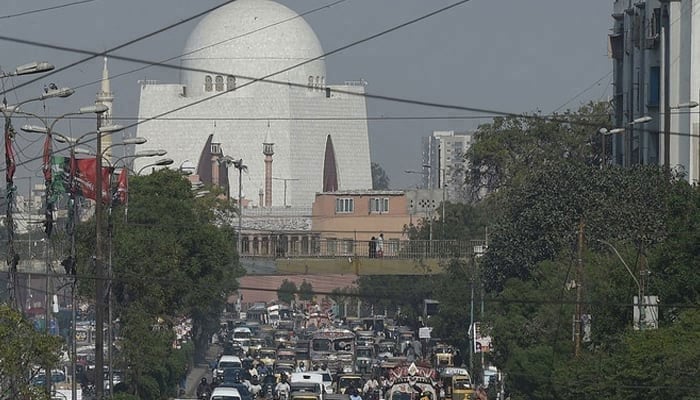
Living in Karachi, the economic heart that essentially keeps Pakistan’s entire national economy afloat, feels like watching the state quietly surrender. The very basics of modern civic life, like picking up the neighbourhood garbage, patching an asphalt road or running a decent public bus system, seem entirely beyond the mental and administrative capacity of our leaders. Clean water is a luxury we are actively forced to buy back from a predatory, private tanker mafia. And because the government has largely abdicated its duty to keep us safe, violent street crime and daylight muggings just thrive in the resulting vacuum.
I find it deeply frustrating when urban opposition forces like the MQM-P cry that they are simply helpless victims of marginalisation. Yes, the provincial higher-ups actively hoard power. But the MQM-P has essentially held the microphone for Karachi’s anger for decades, yet they haven’t translated all that massive political street power into a single, concrete, brick-and-mortar achievement for the public.
But let’s not fool ourselves – this rot does not magically stop at the Karachi toll plaza. If you leave the city limits and drive deep into the province’s rural, agricultural heartland, the illusion that our provincial elite actually cares about their core rural vote bank shatters violently. The landscape out there is defined by pure, heartbreaking institutional decay. When a sick, desperate farmer shows up at a local hospital, he’s met with empty pharmacies and incredibly expensive medical machines that have just been left in dark rooms to rust. It breaks your heart to see completely exhausted doctors and nurses doing everything they can to keep people alive.
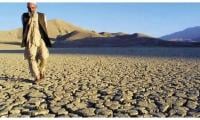
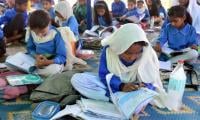
Public education in these same districts has basically been abandoned to political patronage. State teaching jobs are handed out as loyalist favours, making merit a total joke. The fact that we still suffer from the plague of ‘ghost schools’ condemns an entire generation of rural kids to the streets with zero path to a real future. When confronted with this nightmare, and with an agricultural sector going bankrupt due to crippling water mismanagement, our politicians refuse to do the gruelling work of reform. They take the easy way out. They run back to the assembly floors to scream that our geographical sovereignty is under attack.
If we actually want to drag Sindh out of this decades-long paralysis, this massive hoarding of centralised power must end. True local democracy needs to be brought back from the dead. Mayors and municipal bodies across this province desperately need their own ring-fenced budgets and actual, unquestioned legal authority. They need to manage local policing and fix local water lines. If we keep treating basic city sanitation like a grand power struggle that must be micromanaged by wealthy ministers sitting miles away in provincial capital buildings, the trash is simply going to keep piling up on our street corners.
And finally, our leadership needs to swallow its toxic political ego. If a neighbouring province is doing something right, we should steal the idea immediately. Over the past decade, Punjab has used digital tracking software to catch absentee teachers and aggressively mapped out medical supply chains to prevent state-funded drugs from ending up in the black market. Adopting those pragmatic, tech-driven tools is not an insult to Sindh’s historical honour but exactly what functional, honest governance looks like. Refusing to copy a working solution out of sheer political pride is an unforgivable betrayal of the taxpayers.
Running a government was never supposed to be a romantic, endless proxy war over heritage or demographics. It is the gritty, incredibly boring work of keeping normal people safe, educated and healthy. For nearly twenty years, we have been force-fed fiery identity politics as a cheap, hollow substitute for actual administration. I am entirely exhausted by the panic over our boundaries. We do not need our leaders to relentlessly tell us who we are or where our province ends; we need them to finally do the jobs they were hired to do.
The writer is a freelance contributor.