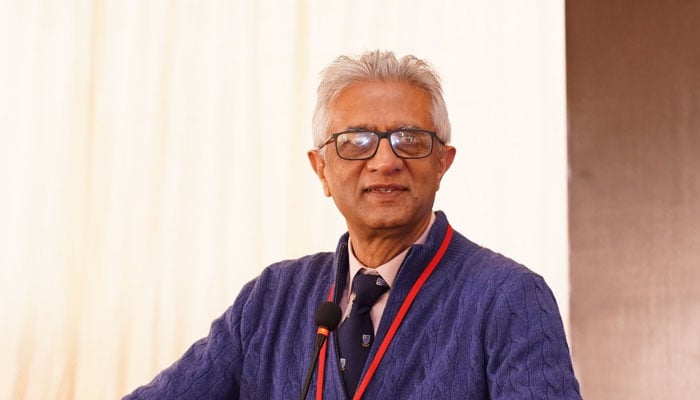
The Shaukat Khanum Memorial Cancer Hospital & Research Centre’s Karachi facility will become operational this year, expanding access to specialised cancer care in Sindh and southern Pakistan, said CEO Dr Faisal Sultan.
Dr Sultan urged the public to donate generously to support the hospital’s launch, and sustain free and subsidised treatment for patients who cannot afford care. In a Ramazan appeal to supporters, Dr Sultan, who previously served as special assistant to the prime minister on health, said that 2026 would mark a major milestone for the charity-run cancer care network as services at the centre are expected to begin this year.
He underscored the scale of resources required to complete preparations and ensure continuity of services. The Karachi facility is expected to significantly ease the burden on patients from Sindh and neighbouring regions who currently travel long distances to access specialised oncology services in Lahore and Peshawar.
Karachi, Pakistan’s largest city, caters to a vast population with limited dedicated, comprehensive cancer care facilities, leading to delays in diagnosis and treatment for many patients. Public health experts say proximity to specialist care is a critical factor in improving outcomes, particularly for cancers that require timely surgery, chemotherapy and radiotherapy.
The Shaukat Khanum Memorial Cancer Hospital in Lahore has been providing comprehensive cancer care for more than three decades, while the Peshawar hospital has extended similar services to Khyber Pakhtunkhwa and adjoining areas for over a decade.
Together, the two hospitals treat a large number of patients every year, the majority of whom receive free or heavily subsidised care through donations and Zakat. The institution has also built capacity in advanced diagnostics, radiotherapy, surgical oncology and bone marrow transplant services, alongside counselling and palliative care. Dr Sultan noted that recent years have seen continued expansion and quality assurance across the network. The Lahore and Peshawar hospitals, along with the Karachi Diagnostic Centre & Clinic, were re-accredited by the Joint Commission International, reaffirming adherence to international standards of clinical care and patient safety.
He said the Karachi facility would be developed on similar lines, with a focus on building multidisciplinary teams and ensuring access to modern treatment modalities. The appeal comes against the backdrop of a growing cancer burden in Pakistan, where late presentation remains common due to limited screening, low awareness and financial barriers to care.
Clinicians say cancers of the breast, oral cavity and gastrointestinal tract, as well as childhood cancers, account for a substantial proportion of cases seen at tertiary hospitals. Delays in diagnosis and interruptions in treatment continue to undermine survival, particularly among low-income families.
According to the Shaukat Khanum Trust, sustaining existing hospitals in Lahore and Peshawar while bringing the Karachi facility to operational readiness would require substantial resources in 2026.