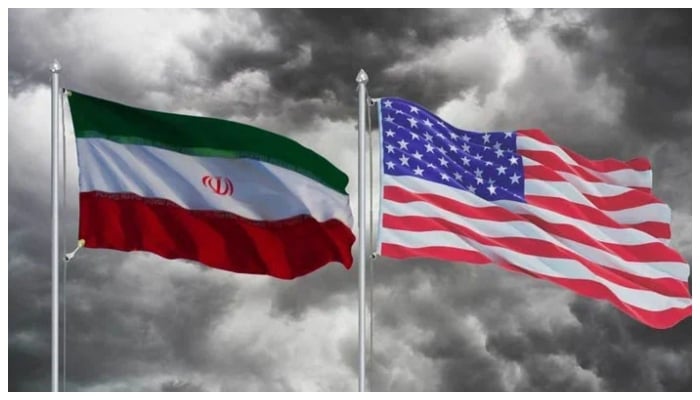
The drumbeats of war are once again growing louder in the Middle East. Following a second round of nuclear talks, the US has issued fresh threats against Iran, warning Tehran that it would be “very wise” to make a deal with Washington. These remarks come amid fears in some international circles that the US military is prepared to carry out strikes on Iran as early as this weekend. Two US aircraft carriers and thousands of troops have already been deployed to the Gulf. US Secretary of State Marco Rubio is due to meet Israeli Prime Minister Benjamin Netanyahu on February 28 to discuss Iran, though the final decision on whether to launch an attack rests with US President Donald Trump. Washington continues to demand that Iran give up its nuclear programme – a demand Tehran has flatly rejected, maintaining that it is not pursuing an atomic weapon. During talks in Geneva, Iran agreed to submit a written proposal addressing US concerns, suggesting that diplomacy, however fragile, remains possible. This is not the first time talks have teetered on the edge. Negotiations last year collapsed after Israel launched attacks on Iran. Trump again threatened Iran last month following protests in Iran. Significantly, Saudi Arabia and the UAE have stated that they will not allow their territories to be used for attacks on Iran. Some Gulf states have also initiated diplomatic efforts to prevent further escalation. Pakistan, too, has been invited to participate in Iran-US talks and played a role last year in easing tensions.
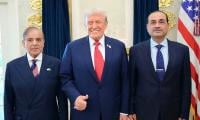
As another dangerous phase looms, regional observers argue that Washington must be restrained through backdoor diplomacy. An attack on Iran, particularly during Ramazan, would have disastrous consequences, further inflaming an already volatile region. This would not be a short, contained conflict but one with the potential to spiral into a prolonged war, destabilising the Middle East and beyond. The world is already exhausted by conflict, especially in the shadow of the ongoing genocide in Gaza. Notably, the only country openly angling for war with Iran appears to be Israel which may also see escalation as a means to divert global attention from its actions against the Palestinians. Some observers believe Israel is acting as a spoiler, with officials issuing travel warnings and fuelling rumours of imminent attacks. A long war with Iran would destabilise the region, a scenario that even the Trump administration is unlikely to welcome. It would also be deeply controversial – even by Trump’s standards – to initiate a war at a time when Muslim leaders from across the world, including Prime Minister Shehbaz Sharif, are gathered in Washington for the ‘Board of Peace’ meeting on Gaza. At the time of writing, the meeting scheduled for February 19 had yet to begin.
Pakistan, for its part, is reportedly seeking firm assurances from Washington before committing any troops to Gaza under the proposed International Stabilisation Force. Islamabad wants guarantees that any deployment would be strictly peacekeeping in nature and would not involve disarming Hamas. If Iran were attacked during or soon after the BoP meeting, it would not only embarrass participating Muslim states but also expose them to serious political and security repercussions. Any strike on Iran would almost certainly be aimed at regime change in Tehran. History offers little comfort that such experiments end well. For Iran’s neighbours and Gulf countries, the fallout would be immediate and severe. This is a moment that demands restraint, not brinkmanship. With war fatigue setting in across the globe and regional stability hanging by a thread, escalation would serve no one’s long-term interests.