While festive seasons in most advanced or rich countries are usually marked by major sales and discounts, Pakistani shoppers usually experience the opposite trend. Prices tend to go up for nearly every conceivable item and sales or discounts only seem to be available in the malls and high-end stores that most Pakistanis do not do their shopping at. This is particularly the case during Ramazan, which often ends up being the most expensive time to buy food in Pakistan. This year has proven to be no exception, with reports showing that prices for most foods have already exceeded official rates in Karachi, the business capital, and sharp increases being reported across the country overall. While the government has announced a relief package of Rs38 billion, this seems a bit lean for a country where an estimated 44.7 per cent of people live in poverty. Meanwhile, the chief minister of the largest province has directed the authorities to go after profiteers and hoarders during the holy month. These dual approaches of welfare and crackdowns typify the state response to Ramazan price hikes.
This does not mean that one should just dismiss the efforts of the government to contain this Ramazan inflation, but perhaps it is time to have a closer look at the structural roots of the problem. While prices generally go up during periods of high demand in nearly every country, the upswings appear to be particularly painful in poorer countries like Pakistan. For one, our food supply chain is quite rickety even under normal circumstances. The country simply does not seem to have the vast amounts of capital and infrastructure that sustain the mammoth retail and wholesale operations we see in the developed world. The supply chain here is much more fractured and the price of food, and really any other local good, goes up with each step. As such, the problem is not really about greedy traders who make food more expensive right when people need it the most, but about an entire economic ecosystem. Solving this problem will require time and sustained investment. This is only more so the case in an era where the government’s ability to spend more on welfare is highly constrained. It would be great to have a month-long sales tax exemption, but is that really feasible when tax collection already seems to be a struggle and an IMF review is right around the corner.
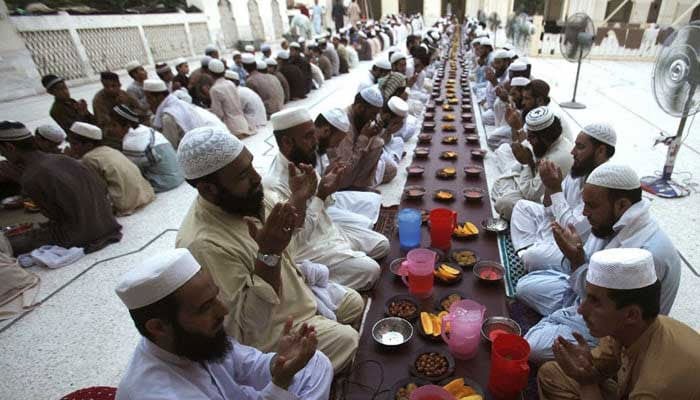
However, looking at the Ramazan inflation problem in a structural manner does not mean we should simply dismiss the cruelty of what happens every year. This is a time when families like to come together for Sehri and Iftar and it should also be a time of compassion and kindness towards the less fortunate. For people to have to budget during this period and for the poor to have to fret even more about how they will afford things is really quite appalling. And the sense of injustice is only heightened by the fact that Pakistanis are already reeling from high bills and increasing taxes. In this environment, the government should try to ensure that actual retail prices are as close to the official rates as possible and looking into how more extensive relief packages could be delivered might also be worthwhile.