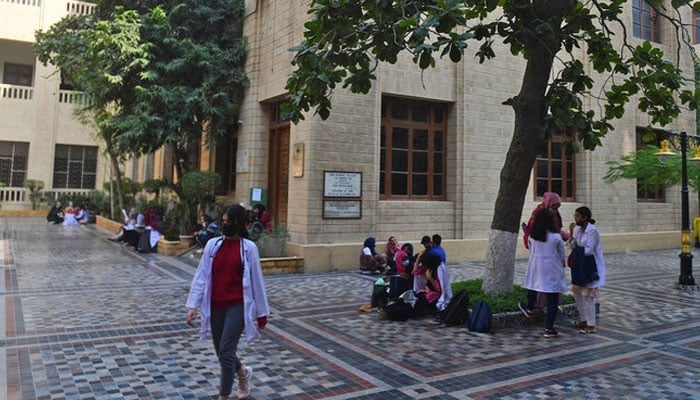
Pakistan is home to approximately 269 recognised universities and higher education institutions, including 160 public-sector and 109 private institutions.
However, as more students attend university, opportunities for broader developmental experiences – particularly extracurricular activities – have lagged behind and remain undervalued, even though evidence from around the world indicates that such experiences contribute significantly to students’ academic, personal and social success.
At a time when knowledge alone is no longer sufficient, the role of extracurricular activities has never been more fundamental for students and for graduates preparing to enter a dynamic workplace. One study found that 38.5 per cent of students surveyed at a public-sector university were members of extracurricular societies. Membership was strongly associated with leadership skills when compared with non-members. The study also highlights that teachers and employers increasingly demand critical thinking, teamwork, leadership, communication and flexibility.
Surveys of university students in Pakistan demonstrate a clear association between participation in extracurricular activities and the development of a broad range of abilities, including thinking on one’s feet, managing emotions, managing others and speaking up. Take, for example, the Prime Minister University Sports Olympiad, which brought together more than 46 universities and over 5,000 students. Such events do more than simply promote physical activity: they help students break out of their bubbles, build new relationships on campus and foster a genuine sense of institutional pride. This is the impact of providing structure to extracurricular activities.
Universities worldwide increasingly link extracurricular engagement to improved employment outcomes. Some of Pakistan’s leading universities report high placement rates; one major university recorded a 94 per cent placement rate in 2025, attributing this success to career workshops, internship programmes and mentorship initiatives. Many of these opportunities begin with networking that students undertake through extracurricular activities. This is not just a local trend. Employers everywhere look beyond academic performance. They seek individuals who can lead, manage failure, resolve problems and collaborate effectively with others – skills that are not always acquired in lecture halls but are often developed outside the classroom.
Despite their strong potential, extracurricular activities in Pakistan face several significant challenges. Institutional support and funding are insufficient, which undermines the quality and accessibility of student societies and sports. The prevailing academic culture also places overwhelming emphasis on exam scores, leading students to neglect activities that are not strictly academic. In addition, many university administrators lack a clear strategy for integrating such activities into the broader campus experience.
These challenges are compounded by wider systemic issues. University enrolment has declined in recent years. Much of this decline is attributable to economic pressures and limited access to higher education for large segments of the population.
The HEC has made important strides by reviewing more than 30 academic curricula to ensure that learning keeps pace with the modern world. However, reform cannot be limited to the classroom alone. If universities are serious about student development, they must take extracurricular activities just as seriously. Here are some ways to make extracurricular activities count: reward students for participation outside the classroom by recognising extracurricular involvement in assessments; establish student development offices staffed by trained professionals who can facilitate networking, mentoring and skills development; and build strong partnerships with industry leaders and local communities.
Pakistan is at a turning point. Given its young population, the country’s future depends on the quality of graduates it produces. Academic excellence certainly matters, but leadership, creativity, and the ability to hold a society together do not emerge from classrooms alone.
When universities value clubs, volunteer work and hands-on projects as much as formal study, students emerge not only more knowledgeable but also more confident and adaptable. They are better prepared to step up and make a difference in today’s world. It is time for Pakistan’s universities to look beyond grades and textbooks. Students are more than their marks – they are the future, and they deserve every opportunity to grow.
The writer is an assistant registrar at PMAS–Arid Agriculture University, Rawalpindi.