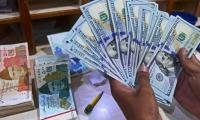
KARACHI: The Institute of Cost and Management Accountants of Pakistan (ICMA) has recommended replacing Rs10 banknote with a coin, a move that could save billions of rupees and make currency management more efficient across Pakistan, according to a statement on Saturday.
This comes after the federal cabinet formed a high-level committee under the finance minister to review the sustainability of the Rs10 note and explore more durable alternatives.
The Rs10 note is used everywhere, from tea stalls and buses to grocery shops and markets. From a cup of tea to bus fares, these notes touch almost every transaction in daily life, yet their short lifespan costs the country billions. The note wears out quickly, lasting only six to nine months. Frequent printing and replacement result in the annual expenses of around Rs8-10 billion. While the note accounts for over a third of all notes printed, it makes up just 1.2 per cent of total currency value in circulation, according to the State Bank of Pakistan Annual Report 2022-23. This imbalance puts pressure on printing facilities, increases operational costs, and adds environmental strain from repeated production.
The ICMA’s analysis shows that the Rs10 coin, first introduced in 2016, offers a simple and practical solution. Coins are designed to last 20 to 30 years, are widely accepted, and work well with automated systems like vending machines and transport fare collection. Replacing the Rs10 note with a coin could save Rs40-50 billion over the next 10 years and turn recurring expenses into a durable national asset, according to data from State Bank of Pakistan and Pakistan Mint.
The transition will take three years. In the first year, printing of new Rs10 notes will stop while coin supply gradually increases. The second year will focus on public awareness campaigns and encouraging retailers to accept coins. By the third year, remaining notes will exit circulation naturally through banks. Transition costs, including mint upgrades and communication campaigns, are estimated at Rs3.5 billion and are expected to be recovered within 18 months through operational savings.