KARACHI: Experts and policymakers have called for sweeping institutional reforms to place Sindh on a path of sustainable economic growth, stressing that clarity in mandates, integrated data systems and performance-based fiscal governance are essential to long-term progress.
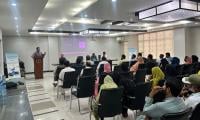
The recommendations emerged during a consultation titled ‘Economic Governance Reforms’ organised by the Sustainable Development Policy Institute (SDPI), where participants warned that reforms lacking structural foundations risk remaining fragmented and project-driven rather than delivering durable transformation.
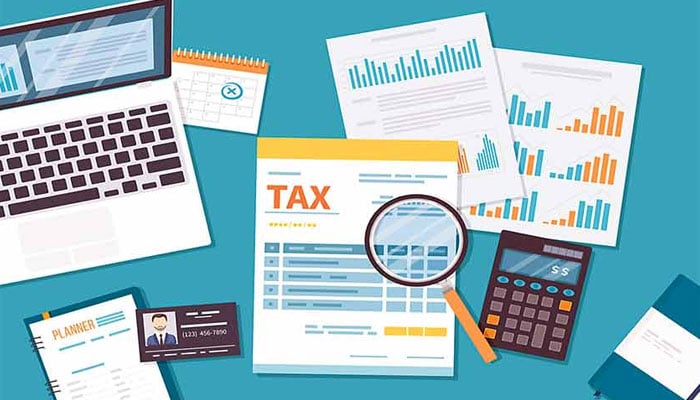
Participants voiced concern over overlapping responsibilities between provincial and federal tax authorities, particularly the Sindh Revenue Board (SRB) and the Federal Board of Revenue (FBR), saying the duplication undermines efficiency and weakens revenue outcomes.
Naveed Rajput, secretary-general of SRB, noted that weak interdepartmental coordination has resulted in duplication and limited sustainability of reforms. He said that while core economic responsibilities are formally assigned to the province’s finance and planning institutions, the absence of operational frameworks and structured coordination has restricted the translation of policy into measurable results.
Additional Auditor General Kamran Mughal observed that many reform initiatives remain externally driven, often tied to donor funding or disbursement-linked financing. This, he said, leads to short-term or poorly integrated projects that fail to embed within routine administrative systems. Sustainable reform, he emphasised, requires internal accountability, clearly assigned mandates, and departmental leadership rather than reliance on ad hoc project cycles.
Dr Irfan Chatha, research fellow at the SDPI, identified data governance as a critical structural weakness. Despite the availability of departmental datasets, Sindh lacks a fully integrated, interoperable, real-time system to support evidence-based policymaking. He highlighted duplication of financial data, weak reconciliation processes, and delayed reporting as recurring issues, adding that digitisation and e-payment initiatives remain uneven across departments.
Former federal secretary Ghufran Memon underscored the need to strengthen fiscal governance and revenue management, while acknowledging that digital payments, financial inclusion, and treasury modernisation are positive developments.
Representatives from the State Bank of Pakistan (SBP), Sindh Bureau of Statistics, Finance Department of Sindh, and Accountant General Sindh, along with other provincial stakeholders, attended the session.
Participants concluded that without political commitment and coordinated institutional ownership, economic reforms in Sindh would continue to fall short of delivering inclusive and sustained growth.