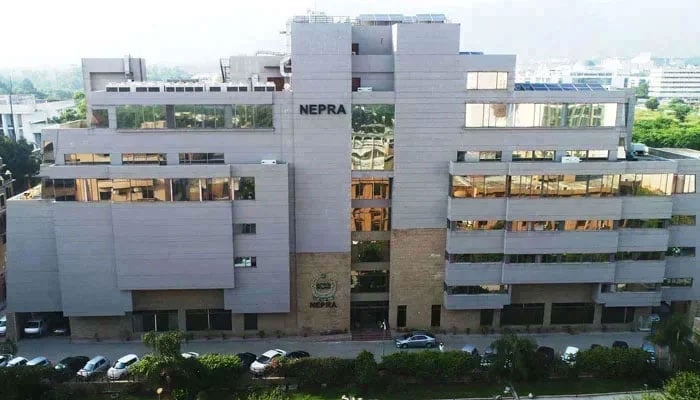
KARACHI: The Pakistan Business Forum (PBF) has called on the National Electric Power Regulatory Authority (Nepra) to fully withdraw its revised Prosumer Regulation 2026, arguing that the changes risk undermining investor confidence and slowing the country’s shift towards renewable energy.
In a letter to the regulator’s chairperson, PBF President Khawaja Mehboobur Rehman said recent notifications offering limited relief to industry were welcome, but questioned why the adjustment burden was being shifted to ordinary consumers.
“Instead of improving governance within distribution companies, ordinary consumers are being penalised,” he said, adding that all consumers — new and existing — should continue to receive the full benefits of the unit-for-unit net metering system without discrimination based on contract status or tenure.
The business body warned that discouraging new applicants or those whose contracts are nearing expiry could send a damaging signal to investors. It argued that structural issues in the power sector — including capacity payments and billing irregularities — were the core problem, not rooftop solar generation.
“The rollback of net metering sends a deeply damaging message that even self-reliance will be penalised,” the forum said, cautioning that retrospective policy changes erode regulatory credibility and weaken investor confidence at a time when Pakistan is seeking both domestic and foreign capital.
The PBF said the revised framework could slow the country’s energy transition, undermine climate commitments and discourage clean energy generation. It added that the policy shift appeared to shield inefficiencies within an ageing and loss-making power distribution system, rather than addressing mismanagement, capacity payment distortions and overdue structural reforms such as privatisation or provincial devolution.
The forum also pointed to the fiscal dimension of the issue, noting that electricity tariffs have increasingly become a source of indirect tax collection through surcharges and levies. As more consumers generate their own electricity, grid demand — and associated fiscal inflows — decline.
However, it argued that this should not translate into a disincentive for clean energy adoption, particularly when electricity tariffs in Pakistan are already among the highest in the region.
Pakistan has imported nearly 50 gigawatts of solar panels and related equipment up to September 2025, yet no comprehensive strategy has been articulated for integrating this installed and incoming capacity, the PBF said. If excess generation is a concern, it suggested that it could be utilised through energy storage, artificial intelligence data centres or industrial clusters, rather than discouraging distributed generation.
At a time when the salaried class has borne an additional Rs315 billion in taxes during the current fiscal year and corporate taxation remains elevated, the forum questioned the continued reliance on costly and polluting energy sources, as well as foreign exchange outflows for furnace oil and liquefied natural gas imports.
The PBF urged Nepra to reconsider the revised regulations, engage in stakeholder consultations and adopt a forward-looking energy policy. Blaming net metering for a purported Rs550 billion burden, it said, risks diverting attention from structural weaknesses in the power sector, including capacity payments and long-standing governance failures.