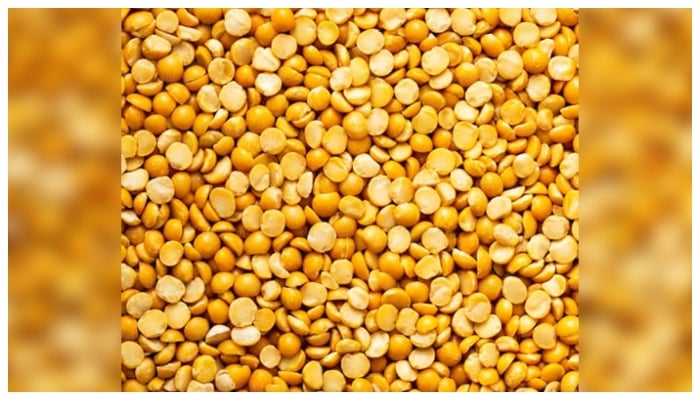
Pulses offer a combination of high nutritional value, economic accessibility and environmental sustainability. Often referred to as ‘smart food’, they are essential for addressing malnutrition, improving soil health and supporting climate-resilient agriculture.
Because food insecurity exists outside discourse, it is a lived reality for many. Over the years, various national plans and policies have been implemented to address food insecurity. The National Food Security Policy 2018 is a prominent example of such a policy. The policy aimed to alleviate poverty and eradicate hunger and malnutrition through sustainable food production, and by making agriculture more productive, profitable, climate-resilient and competitive.
As a result, Pakistan is making considerable strides toward Sustainable Development Goal 2: Zero Hunger. But still, there is a long way to go. Despite efforts, food insecurity is rising in Pakistan. Presently, approximately 24.35 per cent, that is 58.81 million people of Pakistan, are suffering from moderate-to-severe food insecurity. Over the span of six years, this figure has increased 53 per cent. In 2019, 38.40 million people were food-insecure.
Poverty is one of the key factors that further exacerbates food insecurity. Pakistan has an approximate population of 241.5 million, of which more than 107.95 million live below the poverty line and more than 39.8 million live in extreme poverty, leaving 60 per cent of the population unable to afford a healthy diet costing around $3.90. The situation is further worsened by deteriorating income levels, as the national average number of earners per household has decreased from 1.86 in 2018–19 to 1.72 in 2024–25, reflecting a modest decline in household labour contribution over time.
Nevertheless, despite a decrease in labour contribution, overall incomes have risen over the years. However, this growth has been highly unequal and has been unable to keep pace with rising inflation. The richest quintile experienced a 119 per cent increase in nominal income, compared to just 80 per cent for the poorest quintile, widening already stark economic disparities.
Therefore, this socioeconomic disparity translates into differences in household food consumption expenditure and the data reflect this reality. Since March 2022, the Consumer Price Index (CPI) inflation rate has risen by 63 per cent, significantly eroding household purchasing power. Thus, despite increased spending, the lowest consumption quintile (1st), households allocate the largest shares of their food budget to wheat and wheat flour (20.06 per cent), milk (20.33 per cent), vegetables (11.72 per cent), and vegetable ghee (9.51 per cent), indicating a strong dependence on basic staple foods.
Reliance on staple foods exacerbates micronutrient deficiency. Thus, while public debate often focuses on caloric sufficiency, a quieter but equally alarming crisis is unfolding: protein deficiency, particularly among low-income households. Reductions in wasting are a key indicator of food security, and protein deficiency is a major contributor to wasting among children and is irreversible.
Alarmingly, protein consumption has declined over the past six years, driven by reduced intake of both plant-based and animal-source proteins. Per capita pulse consumption fell from 0.35 kg to 0.26 kg per month, while consumption of animal proteins, particularly beef and mutton, also declined sharply, indicating a sustained erosion in access to protein-rich foods. This is supported by the fact that lower-income households spend less than 5.0 per cent of their total food expenditure on animal-based protein. This suggests income is failing to keep pace with food prices, pushing households towards staples and deepening both food and nutrition insecurity.
In this context, pulses play a significant role: they are a staple of the Pakistani diet, with consumption estimated at 1.3 million tons. Pulses are a rich source of protein, making them essential for addressing protein-related micronutrient deficiencies and malnutrition at relatively low cost. In Pakistan, vulnerable populations rely heavily on pulses as a primary source of nutrition, given their high protein, iron, zinc and dietary fibre content.
Over the last five decades, the cultivated area and domestic production of major pulses, including chickpea, lentil, mung bean and mash bean, have declined in national cropping systems. Presently, they are treated as minor crops, occupying around 5.0 per cent of total cropped land. The domestic production of 408,000 tonnes of pulses over 1.07 million hectares, against an estimated annual consumption of 1.3 million tonnes, results in a shortfall of approximately 900,000 tonnes, which is met through imports.
The Pakistan Bureau of Statistics data shows that pulse imports have reached 1.464 million tonnes in FY2025, costing $1 billion in foreign exchange. Imports in FY2025 surpassed the previous record of 1.315 million tonnes set in FY2023. These rising pulse imports depress domestic prices, reducing farmers’ profits and investment in pulse crops, which compete with pulses, making them more profitable and leading to declining domestic production. Since 2007, overall pulse production has fallen by 37 per cent.
Pulses are not just a staple in the Pakistani diet but also play a prominent role in Pakistan’s food security. Therefore, it is high time that policies are directed toward scaling up the domestic production of pulses to improve food security and for reducing foreign exchange expenses.
The writers are from the Sustainable Development Policy Institute in Islamabad. They can be reached at: [email protected] and [email protected]
The views they share are their own and do not necessarily represent the organisation’s official position.