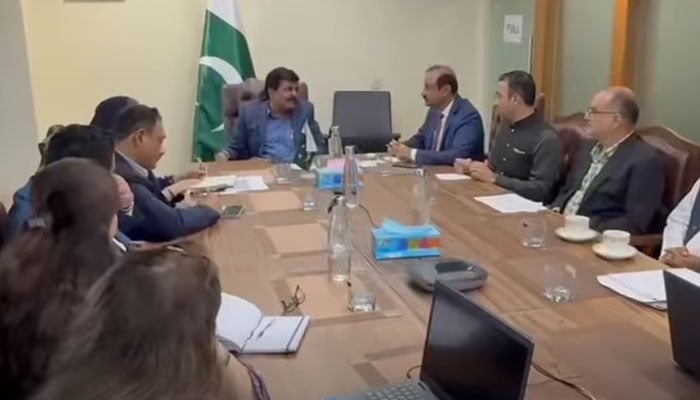
The Sindh Education Foundation (SEF) has enrolled one million students across the province. Sindh Education Minister and SEF Board of Governors Vice Chairman Syed Sardar Ali Shah on Monday termed the achievement remarkable, and congratulated the entire SEF team on this success.
Shah said the SEF has played a vital role in preventing thousands of children from dropping out of school, and in expanding access to education in underserved areas. He directed the SEF partner organisations to ensure that at least 40 per cent of the subsidy amount is allocated for teachers’ salaries so that the quality of education can be further improved.
He announced that under the Sindh School Education Scholarship Programme (SSESP), at least 50 per cent of the scholarships would be reserved for girls, reinforcing the government’s commitment to gender equity in education.
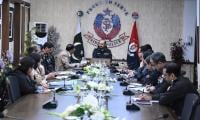
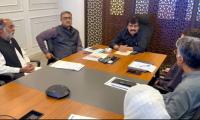
During a meeting he chaired on his visit to the SEF head office in Karachi, Shah stressed that all available resources would be utilised to implement Sindh’s education policy initiatives. He ordered strengthening technology-based monitoring, enhancing support for female students and further reinforcing the quality assurance mechanism.
SEF Managing Director Gahanwer Ali Laghari briefed the minister on the SEF’s ongoing and upcoming initiatives. He highlighted the strengthened monitoring & evaluation (M&E) system, noting an increase in field visits and a focused approach toward school-level improvement. He also mentioned the wellness survey conducted for meritorious students enrolled under the SSESP.
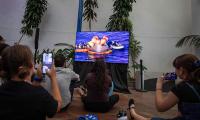
In a unique initiative, Shah connected via videoconferencing with a cluster-based teacher training session in a remote area of Larkana where the SEF is providing 100 per cent teacher training in early learning & foundational learning in line with the government’s policy.
Shah interacted directly with teachers, reviewed the quality of training and received first-hand feedback from the participants. Sharing his observations on the SEF’s presentation, he ordered that the M&E system be fully automated using advanced technologies such as facial recognition, biometrics and geo-fencing/geo-tagging to enhance transparency and efficiency.
Expressing concern for student well-being, he instructed the SEF to develop an SOP for free eye check-ups for students to be provided through partner institutions. Shah noted that more than 200 union councils across Sindh lack post-primary education facilities, and suggested that these areas be prioritised in the establishment of new schools. He said he would recommend an increase in the SEF’s budget in the upcoming financial year.
Concluding his remarks, he proposed the introduction of a peer-review mechanism among partner schools, under which teachers from one school would assess another. According to him, this approach would promote constructive feedback, continuous improvement and healthy competition among schools.