Fact 1: Pakistan has approximately 40 million households. Fact 2: The national average monthly household income is Rs82,000. Fact 3: The ‘minimum survival threshold’ is Rs105,000. Red alert: The average Pakistani household is Rs23,000 short every month – before education, healthcare or savings even begin.
Question: What does ‘minimum survival threshold’ mean? Answer: The rock-bottom amount of money a family needs every single month just to not die. Not to live decently. Not to send kids to school, see a doctor when they’re sick, fix a leaking roof or dream about tomorrow. It’s the cruel, bare-minimum line where you buy just enough cheap calories to stop the stomach from screaming.
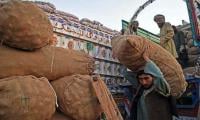
Zero for medicines when fever hits. Zero for school fees or books. Zero for savings if the roof caves in or the father loses his job tomorrow. Desperation is carving deep cuts into the family plate. Imagine, per capita monthly consumption of mutton is down to a pitiful 50 grams per person (barely a few bites a month), beef at 110 grams, chicken at 340 grams – amounts too tiny to nourish growing children
Imagine children growing up on starch-heavy, protein-starved diets that stunt bodies, dull minds and lock generations into poverty. Yes, cash is getting diverted to electricity and gas bills. When a household’s income falls below the ‘minimum survival threshold’, education becomes a luxury. Children stop being children. Children become emergency income buffers, human shock absorbers for a household in freefall.
In Pakistan, schools are now competing with the price of roti and electricity bills. And the schools are losing. Pakistani children are not failing school; Pakistani households are failing to afford childhood. Pakistani children are not failing school; Pakistani households are failing to let children be children. Red alert: When income buys only survival, childhood disappears. When energy costs explode, food and schooling collapse next.
Here’s what the government can do: The government must act to cut the survival bill – electricity and gas. Shift subsidies from energy producers to consumers. Remember, you cannot teach hungry children. The government must initiate universal school meal programs in the poorest districts with protein supplementation (eggs, lentils, milk powder). Cut indirect taxes on essential food items and stop treating consumption taxes as revenue shortcuts.
Here’s what the government can do: Index BISP to inflation. Cut payroll taxes. Open food imports – end cartel pricing in wheat, sugar and edible oil. Yes, competition will cut prices faster than subsidies ever will. This is not charity. It is macroeconomic damage control. Remember, when households fall below survival, the state loses its future.
This is not a poverty problem. This is a negative cash-flow problem. When income persistently falls below survival costs, households are forced to liquidate nutrition, education and dignity to keep the lights on. The ground reality is that higher utility bills don’t just raise household stress; they push children into work to plug the gap. This is how energy policy quietly manufactures child labour.
History is witness, no nation has ever risen by starving its future. History is witness, no economy has thrived when its children are rationed protein and robbed of childhood. Stunted children on starch diets today become stunted adults tomorrow.
Yes, the clock is ticking – and the plates are emptying. Yes, the classrooms are emptying faster.
The writer is a columnist based in Islamabad. He tweets/posts @saleemfarrukh and can be reached at: [email protected]