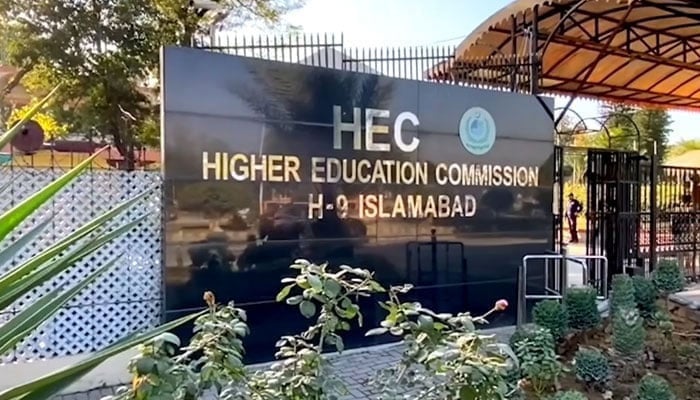
The leadership crisis at the Higher Education Commission (HEC) has deepened after the second 90-day tenure of the acting chairman/federal secretary for education expired on January 28, leaving the commission without even an interim head for the past two days, an unprecedented situation for the country’s apex higher education regulator.
According to sources, the prime minister’s search committee had recommended three candidates for the post of HEC chairman -- Dr Soroush Hashmat Lodi, Dr Muhammad Ali Shah and Dr Niaz Ahmed -- and forwarded their names to the Prime Minister’s Office more than six weeks ago. However, none of the candidates has so far been approved, underscoring a prolonged decision making paralysis at the federal level.
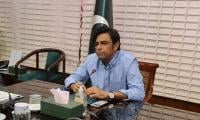
The delay has also raised serious questions about the authority and effectiveness of the Ministry of Federal Education. Federal Education Minister Dr Khalid Maqbool Siddiqui, despite his academic background and being chairman of a big political party, MQM, has reportedly failed to secure approval for even one of the shortlisted candidates, reinforcing perceptions of the ministry’s growing helplessness.
HEC officials say the absence of a chairman has stalled key decisions, including university funding approvals, senior appointments, development projects, research initiatives and international academic collaborations. Uncertainty continues to mount across public sector universities, with vice chancellors expressing deep concern over the institutional vacuum.
Education experts warn that leaving the HEC without leadership is not merely an administrative lapse but a serious governance failure that threatens to undermine Pakistan’s higher education system. They caution that continued inaction by the federal government and the Prime Minister’s Office could further damage research output, institutional credibility and the country’s standing in global academic rankings.