LAHORE: A groundbreaking, citizen-funded energy initiative for grid-connected solar power is facing major setbacks due to stringent regulatory and administrative actions.
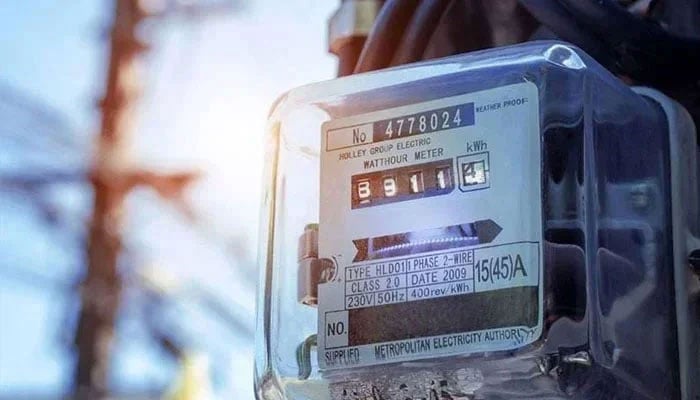
In a significant policy shift with wide-ranging implications, the federal government has initiated the process to abolish the net metering system and replace it with a net billing policy. Under the previous system, electricity units imported from and exported to the grid were balanced one-for-one at comparable retail rates.
Under the new policy, electricity drawn from the grid will be charged at the full national tariff, while solar electricity exported back to the grid will be credited at a significantly lower differential rate. The economic impact of this policy U-turn is expected to be severe; a consumer exporting 300 units and importing a similar volume could now face a bill of approximately Rs10,000, compared to nearly zero under the outgoing system.
The government and power distribution companies (Discos) have defended the change, saying it is necessary to cover grid infrastructure costs and mitigate alleged revenue losses. However, critics argue that it effectively penalizes consumers who invested their own funds to strengthen national energy capacity.
The shift comes amid ongoing systemic issues, including a backlog of pending net-metering applications that Discos have yet to resolve. Additionally, thousands of installed solar systems remain unmetered and unconnected.
Distribution companies such as Lesco have also suspended new solar meter installation cases following directives from the federal ministry.