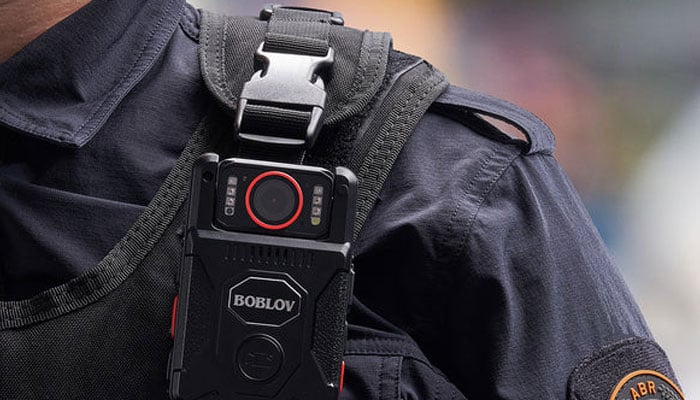
Punjab’s recent decision to mandate body-worn cameras for hospital staff in public healthcare facilities is being touted by policymakers as a bold step towards transparency and improved patient care. But critics say that this well-intentioned proposal risks making a bad system worse and raises serious questions about privacy, practicality and priorities. There is no denying that Pakistan’s public healthcare system is strained. Hospitals across the country struggle with overcrowding, resource shortages, weak governance and frequent complaints from patients about neglect and mistreatment. These problems are systemic and long-standing. But equipping nurses, ward staff, pharmacy attendants and security guards with cameras does not address the root causes of dysfunction. In fact, it could make matters worse by diverting attention and resources away from more meaningful interventions.
One of the most troubling aspects of the bodycam order is its lack of consultation with healthcare professionals. Doctors’ associations and nursing groups have described the decision as hasty, ill-conceived and imposed without meaningful dialogue with the stakeholders who would be most affected. Some have even called it a violation of basic rights, arguing that continuous video and audio recording in clinical settings infringes on the privacy and dignity of patients at their most vulnerable moments. Consider, for example, what it means to ask a patient in a labour ward, a gynaecology unit or an intensive care bed to be recorded throughout intimate examinations and emotionally charged conversations. Patients already distrust the public health system; body cameras would only amplify that discomfort.
Proponents might argue cameras provide accountability. But if the real goal is to deter mistreatment and abuse, why hasn’t the government first invested in better facility surveillance infrastructure – such as modern CCTV systems in public areas – where privacy is not at stake? CCTV coverage is cheaper, easier to manage and can be focused on common spaces like waiting areas and corridors where most complaints arise, without following staff into private treatment areas. There is also no evidence that blanket recording of clinical care improves outcomes. More fundamentally, the fixation on cameras reflects a failure of policy imagination. What health workers and patients alike are asking for are investments that strengthen the system: better training for medical and support staff, meaningful accountability mechanisms, adequate staff numbers and fair remuneration that reflect the tough conditions in which these professionals work. And then there is the question of resource allocation. In a setting where essential medicines go missing, where staff are underpaid or absent, where basic sanitation and equipment are lacking, spending public funds on body camera technology is a misplaced priority. Cameras have their place, but that place is not strapped to the chest of a nurse trying to save a life. Focus first on training, remuneration, accountability and infrastructure. That is how patient care will genuinely be prioritised.