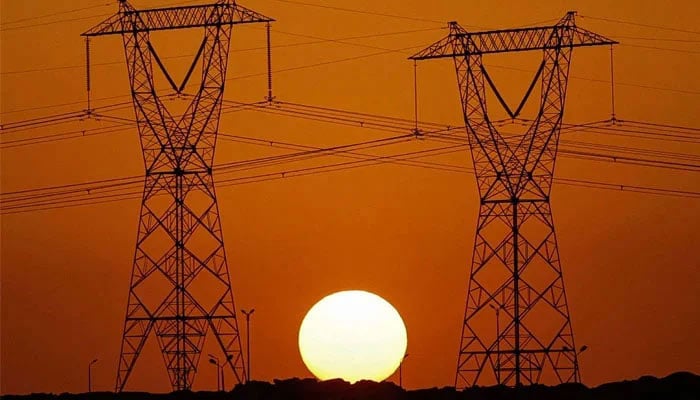
Each passing day seems to shed new light on just how bad Pakistan’s energy crisis really is. This time it is Nepra’s State of the Industry Report 2025. The report paints a bleak picture of an energy sector caught in a cycle of waste, weak utilities and rising circular debt, all of which eventually land at the door of consumers in the form of bloated bills. Pakistanis, particularly businesses, are paying rates that are far higher than many more developed and successful economies in Asia and they do not even get a reliable grid in return. According to the report, inefficiencies in distribution companies and transmission bottlenecks remain the biggest drivers of losses, contributing around Rs397 billion to the country’s circular debt during FY2024-25. The most infuriating part of the power puzzle is the fact that while people suffer from loadshedding and high bills, the country actually has more power than it needs. In FY2024-25, electricity demand peaked at just over 33,000MW, while installed capacity stood at 41,212MW, leaving large plants idle but still paid for through consumer tariffs. The Capacity Purchase Price (CPP) averaged Rs14.21 per unit, making it the single largest component of electricity tariffs, and accounting for around 82 per cent of the consumer-end tariff. However, although the country has more electricity than it needs, the transmission system cannot carry enough cheap electricity from efficient plants because of congestion and delays.
The problem appears to be particularly bad in the public sector as public sector power utilities combined transmission and distribution losses reached about 16.4 per cent, far above the allowed limit of 11.77 per cent. Theft, outdated networks and poor maintenance are among the main causes for these losses and they are not absorbed by utilities but by consumers. As such, a valid way of looking at the costly power tariffs Pakistani households and businesses are paying is as a subsidy to an inefficient and mismanaged power sector. The sense of injustice is only worsened by the fact that the reasons for the transmission and distribution losses mentioned in the report have been known for decades and yet nothing appears to have been done about them. And this only covers the supply side of Pakistan’s power sector woes. It seems that one cannot even count on DISCOs to be diligent about collecting the inflated bills dished out to consumers, collecting only about 93.5 per cent of what they billed and leaving a large gap between revenue earned and revenue received. Nepra says this shortfall ran into hundreds of billions of rupees and directly fueled circular debt and unpaid bills that ripple across the power chain, from fuel suppliers to power producers.
So how exactly can the country become more efficient at using the power that it has. Aside from obvious steps like cracking down on power theft and investing in transmission infrastructure, actually adding more demand for power might be a good idea. This might at least do something about all the idle capacity in the system. Sadly, things appear to be moving in the opposite direction. For one, the country is struggling to attract foreign investment or generate much growth so where exactly does the new demand for power come from? Then there is the solar shift to consider. The gird is actually bleeding customers and the burden on those left behind is piling up. What this means is that things are unlikely to get better for the foreseeable future. According to the latest reports, power consumers may face yet another hike in their electricity bills as the power utilities have asked Nepra to allow them charging an additional Rs0.4781 per unit from consumers. How many more hikes before the state actually fixes the energy sector rather than having consumers continue to subsidise its failures is anyone’s guess.