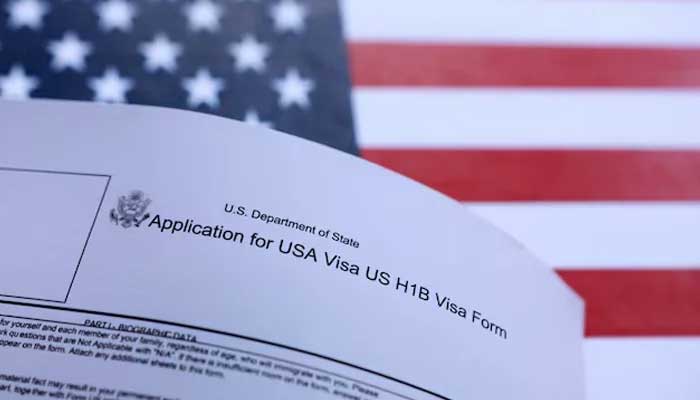
When immigration systems are paused without explanation, applicants are not the only ones that suffer. Credibility takes a hit too. The decision by the US to suspend immigrant visa processing for nationals of 75 countries, Pakistan among them, introduces precisely this kind of uncertainty into an already strained global mobility landscape. While Washington describes the move as a temporary administrative review, its real-world consequences are far from procedural and raise serious questions about fairness, predictability and intent. At stake are not casual or short-term journeys, but permanent life decisions. Reunification cases, employment-based immigrants and approved permanent residency applicants now find themselves caught in an open-ended wait, despite having already met extensive legal and security requirements. For many, the suspension effectively nullifies years of paperwork, planning and financial investment – all without any indication of when or how normal processing will resume.
The justification offered by US authorities centres on concerns about financial self-reliance, invoking the long-standing ‘public charge’ principle. Yet applying this doctrine at such a late stage, even to cases already approved, introduces a new layer of discretion that lacks clear limits. The possibility that applicants may be required to post substantial financial bonds or see visas denied after formal approval transforms immigration from a rules-based process into one vulnerable to arbitrary thresholds. Predictably, this burdens middle-income applicants the most, even when they otherwise qualify fully under the law. For Pakistan, the implications go beyond individual hardship. People-to-people connections have been an important stabilising element in bilateral relations. When legal immigration pathways are disrupted without transparency, those ties weaken. That Pakistan’s Foreign Office is still seeking clarity on the scope and mechanics of the suspension also shows the absence of clear communication surrounding the decision.
More broadly, this latest American policy also reflects a shift in how legal immigration itself is being treated. Rather than being managed as a regulated and predictable process, it is increasingly subject to sweeping administrative interventions that leave applicants guessing. Even if framed as temporary, such measures risk becoming functionally permanent when no benchmarks, timelines or review mechanisms are disclosed. Legal immigration has traditionally been rooted in compliance, patience and demonstrable contribution. When those qualities no longer offer certainty, the system loses moral and institutional coherence. If the US intends this suspension to be genuinely temporary, it must articulate clear standards for resumption, specify who is affected and explain how applicants can reasonably meet any new requirements.