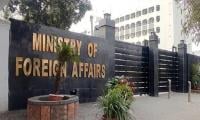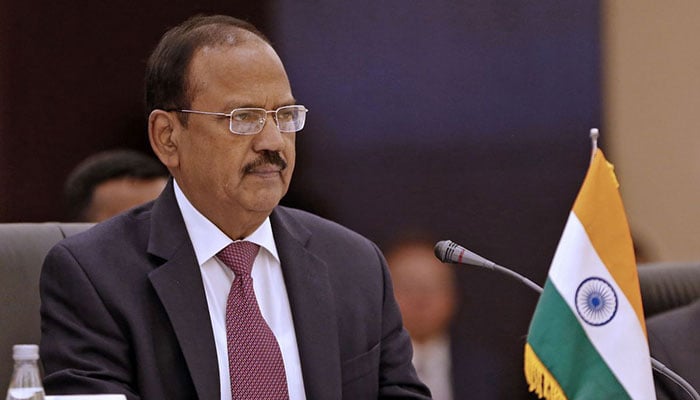
Pakistan’s dismissal of the Indian national security adviser’s recent remarks about ‘avenging history’ as unsurprising is more than a routine diplomatic rebuttal. It is an acknowledgement of a pattern that has become increasingly familiar: the normalisation of grievance, hostility and ideological hostility as acceptable tools of statecraft in India. When a senior official entrusted with national security speaks in the language of vendetta rather than responsibility, it signals a dangerous erosion of restraint. From a Pakistani perspective, such rhetoric cannot be viewed in isolation. It is unfolding against a backdrop of growing political polarisation and documented surges in hate speech within India, particularly against minorities. Independent reporting has highlighted a sharp rise in organised, public expressions of hatred, often aligned with political mobilisation. This matters deeply for the region. When domestic politics are fuelled by exclusion and resentment, foreign policy inevitably absorbs the same tone. The line between internal othering and external hostility becomes dangerously thin.
History in South Asia is not an abstract memory but lived experience. Wars, crises and near-misses have taught both Pakistan and India that careless language can escalate faster than diplomacy can contain. In a region where two nuclear-armed states face each other across disputed borders, the stakes are existential. Statements that invoke revenge or civilisational grievance are just destabilising. They reinforce mistrust, harden public opinion and further reduce the already narrow space for dialogue. Pakistan’s rejection of this rhetoric can’t be seen as performative. What it reflects is a legitimate concern that India’s political climate is increasingly shaped by narratives that reward confrontation over coexistence. When hate becomes politically profitable at home, belligerence abroad becomes easier to justify. The consequences are borne not by politicians but by ordinary people on both sides of the border who pay the price for heightened tensions, disrupted trade, suspended dialogue and the constant anxiety of conflict. It is also important to recognise that the spread of hate speech is not merely a domestic issue for any country. In the digital age, messages travel instantly, amplifying prejudice across borders and communities. Anti-minority narratives in India inevitably reverberate in Pakistan, deepening cynicism and reinforcing hardened worldviews. This feedback loop benefits extremists on both sides, while moderates are pushed into silence.
None of this absolves Pakistan of its own responsibilities, of course. The region hardly needs competing nationalisms or duelling moralities. What it does need more of instead is restraint, maturity and a recommitment to the idea that security is built through stability. Pakistan must continue to advocate for dialogue, resist the temptation to mirror hostility with hostility and strengthen voices at home that argue for rational engagement rather than emotional retaliation. But the greater burden lies with those in power who choose their words knowing their reach. Leadership in a volatile region demands discipline. It demands language that de-escalates rather than inflames, that recognises history without being imprisoned by it, and which understands that peace is not weakness. When senior Indian officials speak in the register of grievance and revenge, they endanger peace and diplomacy. South Asia cannot afford the luxury of ideological theatrics. If history is to be remembered, it should be as a lesson, not a weapon. The politics of hate may mobilise crowds, but it corrodes states.