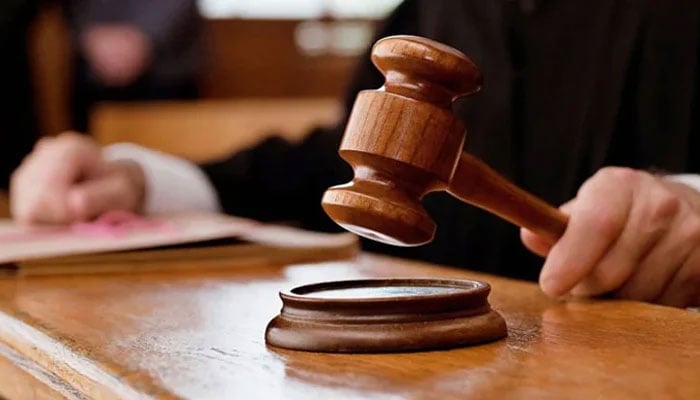
A judicial magistrate on Wednesday granted post-arrest bail to journalist Aslam Shah in a case pertaining to alleged defamation through social media.
The National Cyber Crime Investigation Agency (NCCIA) had arrested Shah last week after an FIR lodged against him on December 29, 2025, under Section 20 (offences against the dignity of a natural person) and Section 24 (cyberstalking) of the Prevention of Electronic Crimes (Amendment) Act, 2025.
The journalist through his lawyer Nasir Ahmed moved an application before the judicial magistrate (South) seeking post-arrest bail. After hearing both prosecution and defence sides, the court granted him bail subject to the submission of Rs30,000 surety.
A large number of journalists were present during the hearing. The defence counsel argued that his client had 30 years of experience in journalism and had worked with recognised print and wire media organisations. He said that the applicant highlighted the “corruption regarding drinking water mafia.”
The lawyer said the journalist was protected under Section 7 of the Protection of Journalists and Media Professionals Act, 2021. The NCCIA lawyer contended that reporting any scandal in newspapers or on television was not a crime. However, he said that levelling allegations on social media platforms was against the law. He added that the case against Aslam Shah had been registered under Peca on the complaint of a KWSC officer.
According to the FIR, complainant Tabish Raza Husnain alleged that Shah was involved in “defamation propaganda against me and my senior Col. Anjum in different Facebook WhatsApp groups and makes false and baseless allegations on me and also use abusive language which causing me significant distress and damage to my reputation.”
During the course of the inquiry, the NCCIA said it recorded the statement of the complainant, who alleged that Shah was involved in defamatory campaign and submitted the screenshot of the alleged content. It said the agency issued multiple notices to the accused, directing him to appear before it to record his statement and clarify his position.
“However, despite repeated opportunities, the accused willfully avoided participation in the enquiry proceedings, demonstrating a non-cooperative and evasive attitude,” read the FIR. “His continuous absence has further strengthened the presumption of his culpability and deliberate intent in the commission of the aforementioned acts.”