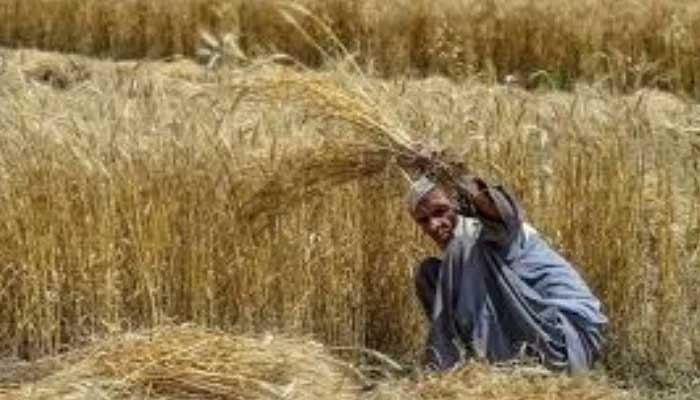
PESHAWAR: Noted agricultural expert and former secretary of the Pakistan Tobacco Board, Khan Faraz, has said that repeated heatwaves, prolonged droughts and erratic weather patterns have sharply reduced wheat yields across the country, forcing farmers to abandon traditional seeds and adopt newly developed biotechnology-based wheat varieties that perform better under extreme climate stress.
“Beyond stabilising yields, these new wheat varieties are also more nutritious as they are biofortified with high levels of zinc, an essential micronutrient that strengthens immunity, supports growth and improves overall health, particularly among children and women, without requiring any change in traditional wheat-based diets,” Khan Faraz said.
He said wheat is not just a crop but the lifeblood of Pakistan’s agricultural economy.
“Wheat, the crown jewel of the agricultural sector, plays a pivotal role. Increasing its production injects vitality into rural economies, creating jobs and providing incomes for millions of farmers and labourers who depend on agriculture for their livelihoods,” he added.
The agricultural expert said Pakistan’s wheat belts continue to face a mix of climate challenges, including crop diseases, unpredictable rainfall, extreme heat and prolonged dry spells.However, he noted that farmers are now finding relief in indigenous, climate-resilient wheat varieties that can survive harsh weather conditions, produce better yields and help restore productivity lost to climate stress.
He further said shifting weather patterns have made wheat cultivation increasingly uncertain, as heavy rains often arrive when crops are most vulnerable, while long dry spells weaken plants before grain formation.
“Heatwaves now strike earlier and persist longer, creating favourable conditions for new pests and fungal diseases to spread across fields that once remained stable. Climate change has fundamentally altered wheat production across the country, disrupting long-established planting and harvesting cycles,” he said.
Khan Faraz said heat levels have repeatedly crossed the tolerance limits of traditional wheat varieties, while new crop diseases have emerged as a direct result of erratic weather fluctuations.
“Our traditional wheat cultivation practices can no longer cope with the climate we face today. Production and grain quality have suffered badly. It is encouraging that Pakistani scientists, in collaboration with HarvestPlus, a global leader in biofortification research, have developed improved wheat varieties using modern biotechnology.
These varieties are designed to withstand higher temperatures, limited water availability and disease pressure while maintaining yield stability,” he explained.Among these, he said, Akbar-2019 has emerged as one of the most successful varieties, offering resistance to heat, drought and disease while delivering higher per-acre yields.Faraz said biofortified wheat provides farmers with better harvests and families with improved nutrition, without altering their dietary habits.