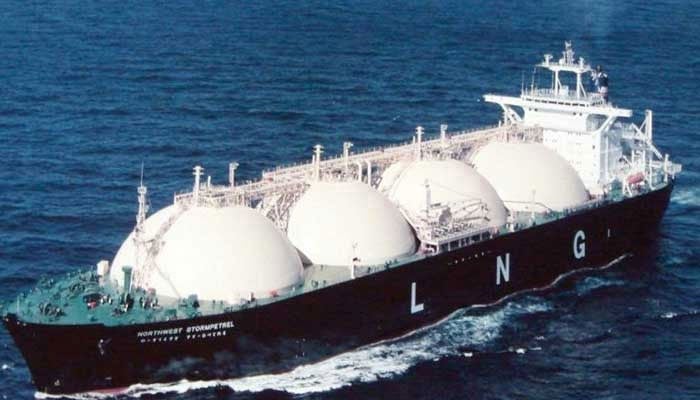
ISLAMABAD: Qatar is expected to divert 24 liquefied natural gas (LNG) cargoes originally contracted for Pakistan to Egypt in 2026, highlighting the sharp decline in Pakistan’s gas demand and a broader realignment of global LNG flows.
According to The Peninsula, QatarEnergy on January 4, 2026 signed an agreement with the Egyptian Natural Gas Holding Company (EGAS) to supply up to 24 LNG cargoes during the summer of 2026. Officials say these volumes will effectively come from Pakistan’s long-term LNG commitments, which are being diverted under the Net Proceeds Differential (NPD) clause amid a steep fall in domestic gas consumption.
While the memorandum of understanding also paves the way for longer-term energy cooperation between Doha and Cairo, petroleum sector officials confirmed that the number of cargoes agreed with Egypt mirrors the 24 cargoes Pakistan has consented to divert next year.
Officials in the Petroleum Division said Pakistan’s gas consumption has declined by more than 400mmcfd due to sluggish economic growth and high gas prices for the export sector, creating a significant surplus under the existing LNG contracts. “The same number of cargoes that Pakistan is diverting now are being supplied by Qatar to Egypt,” an official noted.
Under the Annual Delivery Plan (ADP) for 2026, Pakistan is scheduled to import 88 LNG cargoes from Qatar but divert 24 of them to the international market under the NPD mechanism. Citing peak winter demand, the government has decided not to divert any cargoes in January and February 2026, with diversions set to begin in March and continue through December.
In January, Pakistan will import 12 LNG cargoes—11 from Qatar and one from Italy’s ENI—to meet heightened winter demand. February will see eight cargoes from Qatar, again with no diversions. From March onward, Qatar will divert Pakistan’s term cargoes as follows: one cargo in March, four in April, two in May, one in June, three in July, two in August, four in September, three in October, three in November and one in December.
Alongside Qatar’s diversions, 11 LNG cargoes from ENI—one each month from February to December—will also be diverted under a separate, negotiated arrangement with Pakistan LNG Limited (PLL). In total, 35 LNG cargoes worth over $1 billion are expected to be diverted in calendar year 2026, with an additional 10 ENI cargoes planned for diversion in 2027.
The financial implications differ sharply between suppliers. Under Qatar’s NPD clause, if a diverted cargo fetches a higher price than Pakistan’s term contract rate, all profits accrue to Qatar. If the cargo sells below the term price, the loss is borne by Pakistan State Oil (PSO). In contrast, ENI cargoes are diverted under a negotiated settlement with PLL, under which both profits and losses are shared—an arrangement widely viewed within the government as far more balanced.
The government has made it clear it will not absorb any losses arising from LNG diversions under the NPD mechanism. Any losses resulting from weak international prices will be passed on to RLNG consumers, including RLNG-based power plants, export-oriented industries, CNG sector, and domestic RLNG users. Authorities have stressed that neither the federal government nor PSO will bear these losses.
Despite the large-scale diversions, Pakistan is still expected to have 13 surplus LNG cargoes in 2026, reflecting the depth of the demand slump. Initial estimates had projected as many as 48 surplus cargoes, but successful diversion of 35 shipments is now expected to provide substantial financial relief.
Based on an average term price of $30 million per cargo, Pakistan is projected to save around $1.05 billion in foreign exchange. Reduced LNG inflows will also allow authorities to restore locally produced gas that had been curtailed due to high line-pack pressure in the transmission network. This will enable consumers to access indigenous gas at roughly Rs1,000 per MMBTU, compared with around Rs3,500 per MMBTU for RLNG.