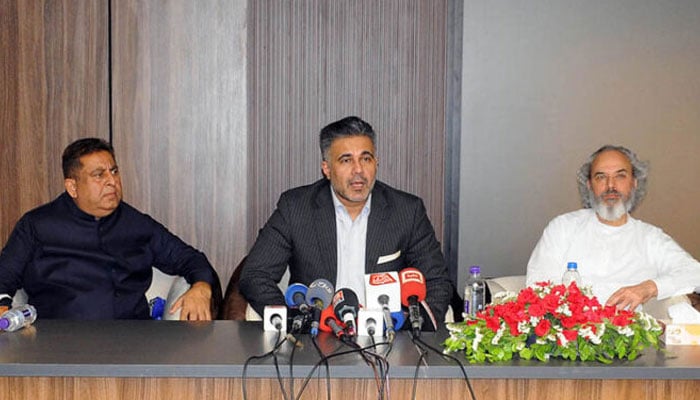
ISLAMABAD: Chairperson of the All Pakistan Textile Mills Association (Aptma) Kamran Arshad has warned that Pakistan’s trade deficit could widen to as much as $40 billion by the end of the current fiscal year, calling the situation deeply alarming for the country’s economy.
Speaking on the state of the economy, Arshad said that more than $19 billion in trade deficit has already been recorded during the first six months of the ongoing fiscal year, indicating mounting pressure on Pakistan’s external accounts. He stressed that without urgent corrective measures, the imbalance between imports and exports is likely to worsen further.
The Aptma chairperson emphasised that a long-term trade and industrial policy is essential to boost exports and ensure sustainable economic growth. He noted that high business costs, particularly elevated electricity tariffs, are severely undermining the competitiveness of Pakistan’s industrial sector, especially textiles, which remains the backbone of the country’s exports.
According to Arshad, Pakistan must provide meaningful relief to its industry in order to compete with regional exporters such as Bangladesh and Vietnam, where production costs are significantly lower. “Without reducing energy costs, our exporters cannot compete in international markets,” he said.
He clarified that the industry is not demanding subsidies, but is instead calling for a reduction in electricity prices to 8 cents per unit, which he described as a critical threshold for maintaining export competitiveness. He warned that continuing with high power tariffs would further erode industrial capacity and lead to job losses.
Arshad also expressed concern over Pakistan’s growing reliance on external borrowing instead of export-led growth. He cautioned that the rapid increase in debt poses a serious threat to the country’s economic sovereignty and long-term stability.
Highlighting the need for structural reforms, he said Pakistan must aim to become self-reliant and reduce its dependence on International Monetary Fund (IMF) programs. “To exit the IMF cycle, Pakistan must significantly increase its exports,” he stated, adding that exports should be at least double the volume of remittances to place the economy on a sustainable footing.
The Aptma chairperson concluded by urging the government to take immediate and decisive steps to lower energy costs, support industrial growth, and implement consistent long-term policies to revive exports and stabilise the economy.