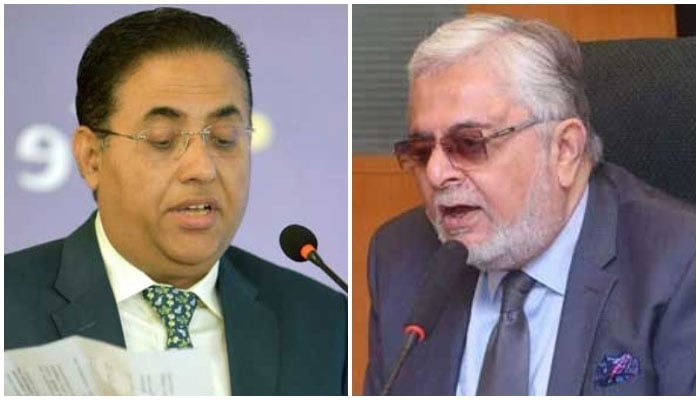
KARACHI: Expressing deep concern and disappointment over the government’s decision to freeze gas tariffs for the next six months, Chairperson Businessmen Group (BMG) Zubair Motiwala and President Karachi Chamber of Commerce and Industry (KCCI) Rehan Hanif said that, while the move has been presented as a relief measure, it falls far short of the expectations and urgent needs of an already distressed industrial sector.
In a joint statement issued on Thursday, they said that during sustained and constructive engagements with the government, the business community had consistently called for a substantial downward revision in gas tariffs to reduce the cost of doing business. Gas, they noted, is a critical input for industry, particularly for export-oriented sectors, and the prime minister has repeatedly emphasised that lowering energy costs is essential for industrial revival and export growth. Against this backdrop, merely freezing tariffs at already elevated levels cannot be described as relief.
They said gas tariffs in Pakistan remain excessively high compared with the actual cost of gas, placing severe financial strain on industries. The existing pricing structure has eroded industrial competitiveness, curtailed production, reduced exports and forced several units to shut down or operate well below capacity. By maintaining the status quo, they said, the government has effectively prolonged the difficulties faced by productive sectors of the economy.
Motiwala and Hanif stressed that it is imperative for the government to move towards cost-based pricing. Citing industry assessments and figures available with the Oil and Gas Regulatory Authority (Ogra), they said the actual cost of indigenous gas is around Rs1,800 per MMBTU, while industries, particularly captive power plants, are being charged about Rs4,000 per MMBTU, a level they described as unjustifiable and economically damaging. Such inflated tariffs, they warned, are accelerating deindustrialisation at a time when Pakistan urgently needs industrial expansion, job creation and higher foreign exchange earnings.
They further said gas supplied to industries, especially small and medium enterprises for heating and process-related use, is being billed at around Rs2,300 per MMBTU, which they described as unsustainable for smaller businesses. As a result, a large number of SMEs have been forced to shut down, leading to job losses, reduced economic activity and further erosion of the industrial base.
The two leaders also raised concern over an unannounced increase in the proportion of re-gasified liquefied natural gas (RLNG) in supplies to industry. While industries were earlier informed of a 10 per cent RLNG mix, recent gas bills indicate that the share has been increased to 20 per cent, significantly raising costs. This unilateral increase, they said, is counterproductive, as RLNG is substantially more expensive than indigenous gas and further inflates input costs for struggling manufacturers.
Referring to the growing circular debt in the gas sector, they said the government must objectively identify the sectors responsible for its accumulation rather than shifting inefficiencies onto industry. Burdening industrial consumers, who already pay high tariffs and contribute to exports, employment and revenue, is neither fair nor sustainable, they added.
They rejected the view that freezing gas tariffs would reduce the cost of doing business, arguing that the higher RLNG mix alone would push production costs even higher and undermine the competitiveness of Pakistani products in regional and global markets.
The BMG chairperson and the KCCI president urged the government to urgently revisit its gas pricing policy, rationalise tariffs in line with actual costs, reverse the increase in RLNG mix and provide meaningful relief to industry. Sustainable economic recovery, they said, will only be possible if industries are able to operate competitively and profitably without being burdened by unjust energy costs.