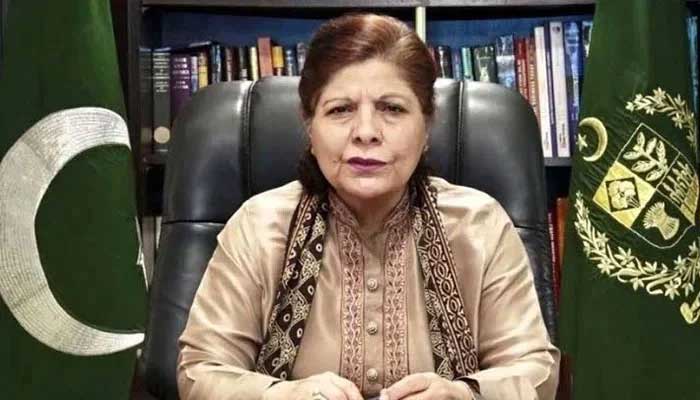
Pakistan has lost one of its most consequential public servants. The passing of Dr Shamshad Akhtar marks not only the loss of a distinguished economist and global policymaker but also of a leader whose service strengthened institutions, restored confidence and elevated Pakistan’s standing at home and abroad.
In moments of economic uncertainty and institutional strain, she embodied steadiness, discipline and an unwavering commitment to the public good.
At the heart of Dr Akhtar’s legacy lies her service to the State Bank of Pakistan. As governor, she brought clarity and credibility to the country’s central bank at a time when both were deeply needed. She believed firmly in the independence of monetary institutions and in the central bank’s role as a guardian of stability rather than an instrument of expediency. Her stewardship reinforced the idea that sound monetary policy, prudence and institutional discipline are foundational to economic resilience.
Dr Akhtar exemplified a rare breed of leaders who recognised that they derive authority not from visibility but from responsibility. Whether steering monetary policy at the central bank, representing Pakistan in multilateral forums or advising at the highest levels of global development institutions, she led with intellectual rigour and moral clarity. She believed deeply in institutions as living systems that must be protected, strengthened and trusted if nations are to progress.
Historic firsts marked her career, yet she never allowed symbolism to overshadow substance. As the first woman to serve as governor of the State Bank, she did not seek to redefine leadership but exemplified it. Calm, precise and principled, she anchored decision-making in evidence and long-term thinking, earning respect not through rhetoric, but through consistency and results.
What set Dr Akhtar apart was not only her technical command of economics and financial systems, but her deep awareness of their human consequences. She consistently advocated for fiscal responsibility, financial stability and inclusive growth – often in circumstances where such positions required resolve rather than popularity. In a world increasingly drawn to immediacy, she remained anchored in what endures.
I had the privilege of engaging with her during moments of national and institutional significance. What stood out in those interactions was her clarity of thought and her quiet authority. She listened carefully, spoke sparingly and always returned the conversation to purpose: what would strengthen the system, what would protect credibility and what would best serve the country over time.
For many women across Pakistan and beyond, she was living proof that leadership at the highest levels of economic and public life was essential. She never framed her journey as exceptional – and it was precisely this restraint, dignity and consistency that made her extraordinary. She opened doors not by pushing against them, but by walking through them with confidence and competence, leaving them permanently ajar for others.
As Pakistan continues to confront complex economic and institutional challenges, Dr Akhtar’s life offers a powerful reminder: progress is built not on shortcuts, but on stewardship; not on personalities, but on principles. Her legacy lies in the standards she set – standards of integrity, professionalism and respect for institutions.
As we mourn her passing, we must reflect on what her life demands from those who remain: lead with courage, safeguard institutional credibility and place long-term national interest above the immediate. That is the most authentic tribute we can offer.
Dr Shamshad Akhtar leaves behind a stronger country through her service and steadier institutions, having led them with care.
The writer is the chairperson of the Pakistan Business Council (PBC).