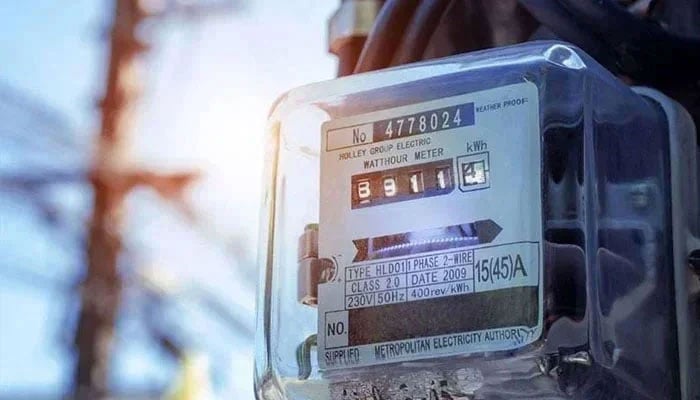
ISLAMABAD: The National Electric Power Regulatory Authority (Nepra) has issued a stern notice to multiple distribution companies (DISCOs) and K-Electric for refusing to register applications for net-metering connections, calling the practice a violation of existing regulations.
In an urgent message to the chief executive officers (CEOs) of MEPCO, IESCO, GEPCO, FESCO, LESCO, PESCO, QESCO, SEPCO, HESCO, HAZESCO, TESCO, and K-Electric, Nepra demanded a report within three days explaining why these applications were being ignored. “The matter is of serious concern and in violation of the applicable documents,” the regulator said, stressing that the current net-metering policy remains valid and cannot be overlooked.
While enforcing existing rules, Nepra has proposed a major reform, suggesting the replacement of net metering with gross metering under its newly drafted Prosumer Regulations (NPR). If implemented, the new system would require rooftop solar consumers to sell all electricity generated to DISCOs at a fixed rate, while paying separately for the electricity they consume from the grid. The draft regulations are currently open for public comment for 30 days and Nepra may hold a hearing before final approval.
Under the proposed NPR, existing net-metering consumers with valid seven-year contracts would continue selling surplus electricity at Rs22 per unit until their agreements expire. However, new solar installations would operate under the gross metering framework with a buyback tariff of Rs11.30 per unit. These contracts would last five years and could be extended by mutual agreement.
The move comes amid growing concerns that the net-metering system is placing a financial burden on conventional grid consumers. According to official data, rapid rooftop solar growth has caused a 3.2 billion unit decline in grid electricity sales in FY2024, leading to Rs101 billion in revenue losses for DISCOs and an average tariff increase of Rs0.9 per kWh for non-solar consumers. Energy officials noted that under the current system, the grid is effectively being used as battery storage for solar users, who sell surplus power at high rates while avoiding fixed system charges.
Looking ahead, projections warn that by FY2034, lost sales could reach 18.8 billion units, resulting in Rs545 billion in financial impact and potential tariff increases of Rs5-6 per unit. PM Shehbaz Sharif directed the Power Division and Nepra to review the buyback tariff and assess its broader impact before finalising any reforms.
Nepra stressed that while the draft regulations are yet to be finalised, DISCOs have no right to reject applications for net-metering connections. The regulator has called on all stakeholders and consumers to provide feedback on the proposed changes to ensure a fair and sustainable solar energy policy for the country.